ADU vs DADU: What’s the Difference?
By Eric Dexter, Owner & Builder ·
“ADU” and “DADU” get used interchangeably, but they're not the same thing. The short version: an ADU is any accessory dwelling unit — a second, independent home on a single-family lot. A DADU is the detached kind — a standalone structure, usually in the backyard. Every DADU is an ADU; not every ADU is a DADU.
What is an ADU?
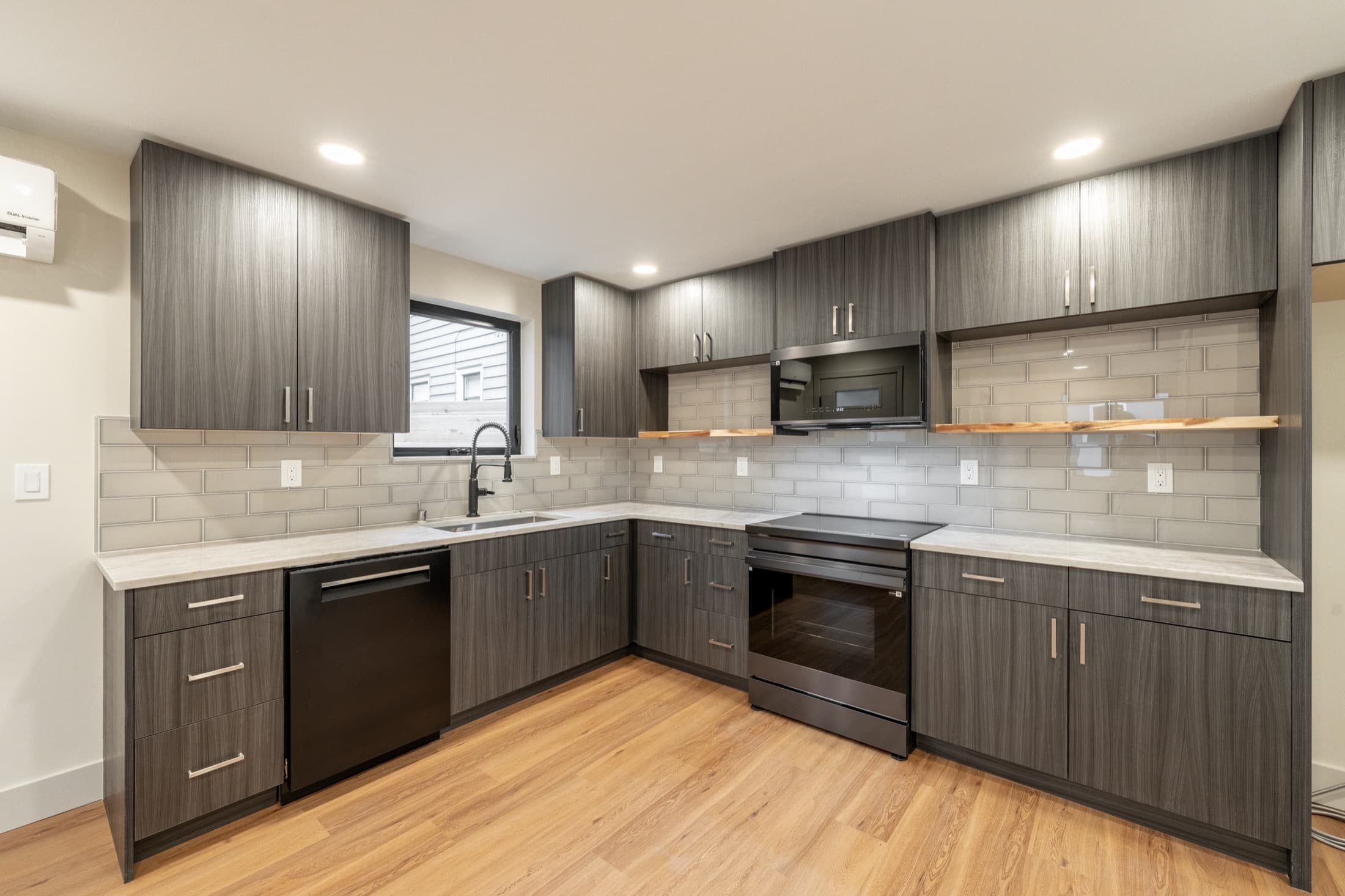
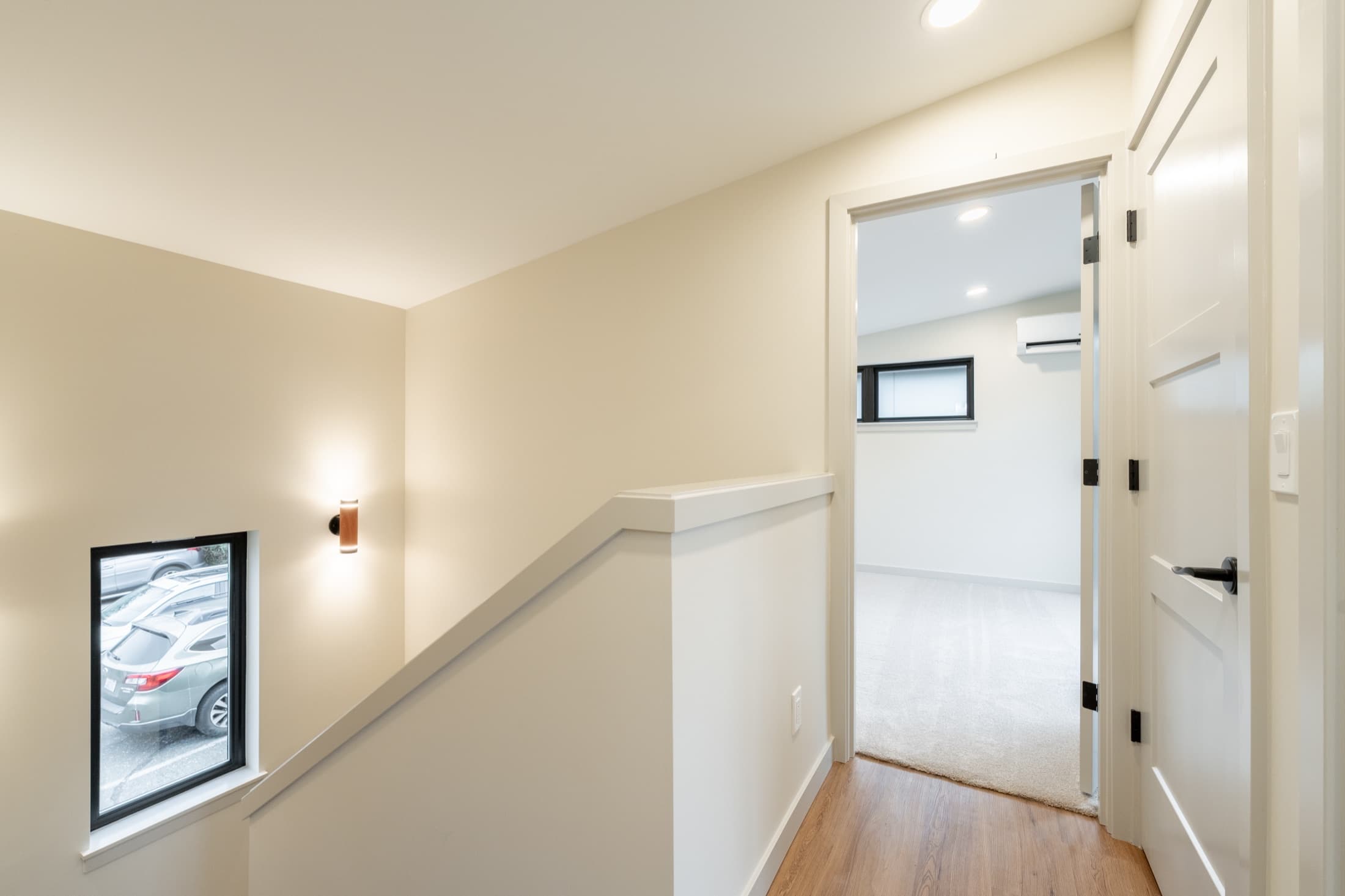
ADU stands for Accessory Dwelling Unit — an umbrella term for a legal second home on a lot zoned for one house. It has its own kitchen, bathroom, sleeping area and entrance. In Seattle, ADUs come in two forms:
- Attached ADU (AADU) — built inside or onto the main house: a basement conversion, a garage conversion, or an addition with its own entrance.
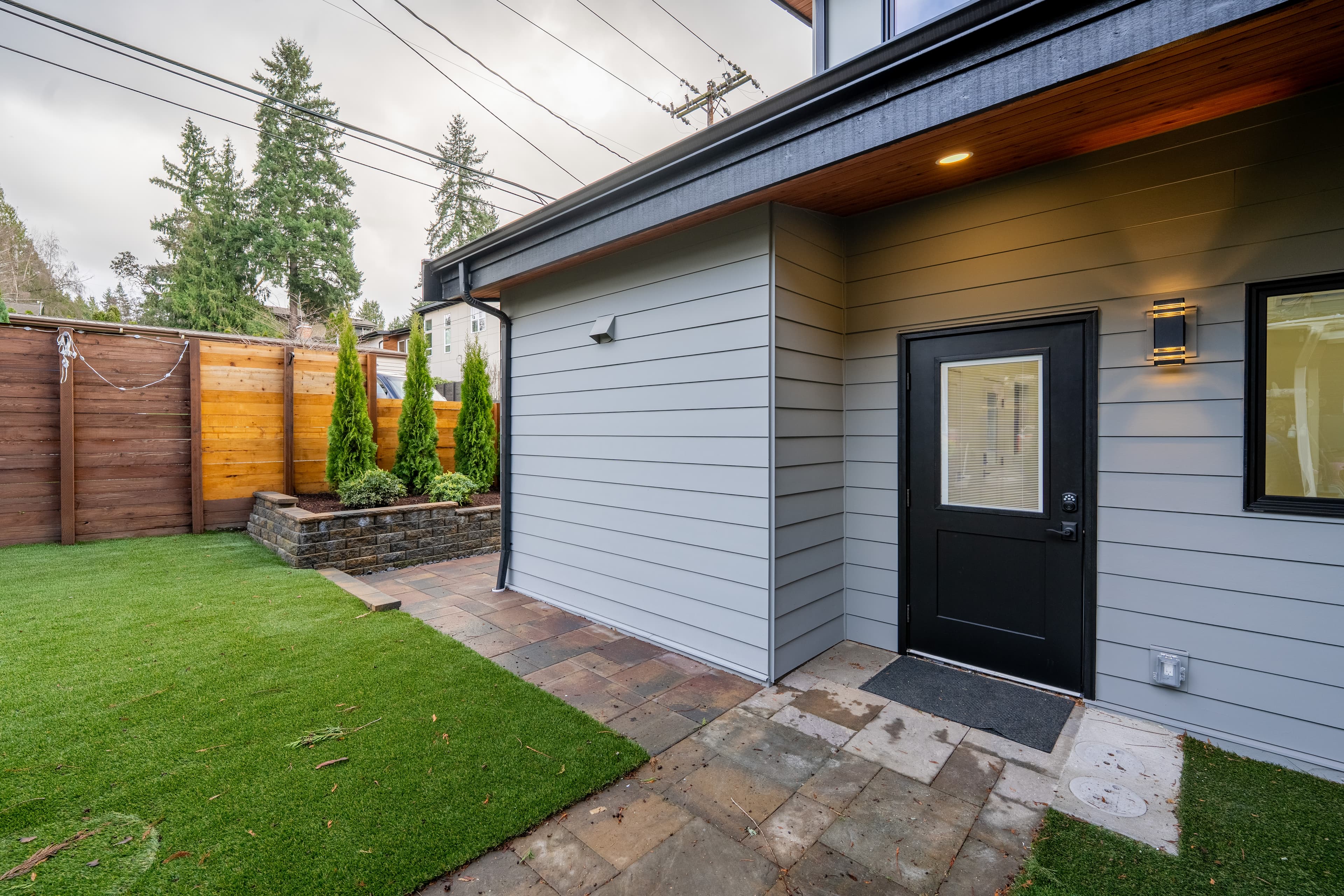
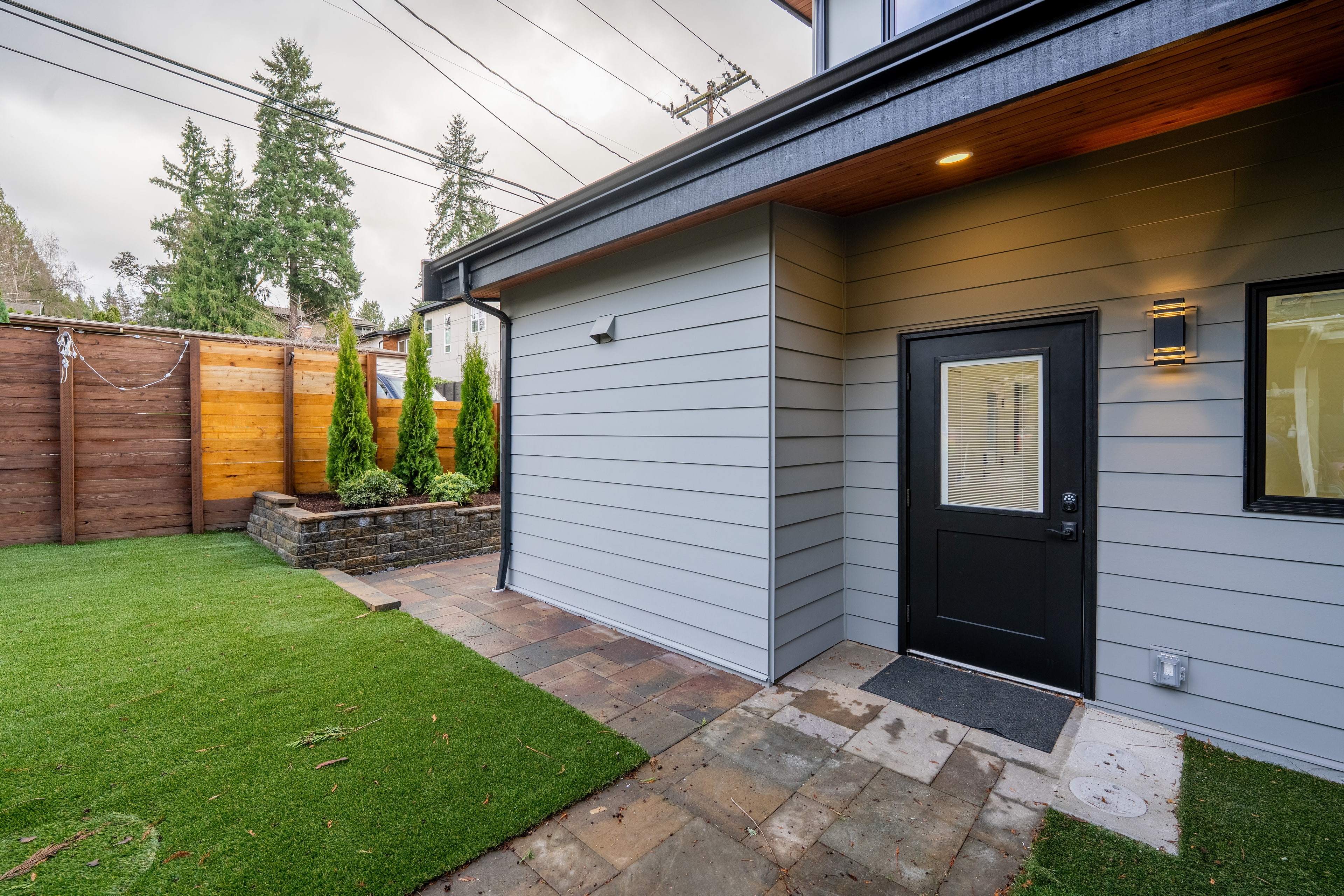
- Detached ADU (DADU) — a separate building on the same lot, commonly called a backyard cottage.
What is a DADU?
A DADU (Detached Accessory Dwelling Unit) is a fully independent home that stands on its own, separate from the main house. Because it's a ground-up structure with its own foundation, utilities and roof, a DADU feels and functions like a small house — which is exactly why it's the most popular choice for rental income, multigenerational living and aging-in-place. We break down the full cost of a DADU with our calculator and in our guide on how much a DADU costs in Seattle.
ADU vs DADU: the real differences
For most homeowners the choice is between an attached ADU and a detached DADU. Here's how they actually compare:
Cost
An attached ADU can be cheaper if you're converting existing, already-conditioned space. A DADU is a new structure, so it carries its own foundation, utility connections and roof — which is why detached builds run higher. But a rough, unfinished basement can also cost as much to convert as building new once you add egress, ceiling height and waterproofing.
Privacy & flexibility
A DADU is separate from your house, so tenants or family have their own space with no shared walls or entrances — the biggest reason people choose detached over attached. It's also the easier unit to rent.
Site work & construction
This is where a DADU gets more involved. A detached unit needs its own excavation, foundation and utility runs, and on a sloped or constrained Seattle lot that site work can be a real share of the budget. An attached ADU reuses the main house's structure and services.
Which one is right for you?
Choose an attached ADU if you have usable basement or garage space and want the lower-cost path. Choose a DADU if you want a private, standalone rental or family home and have the yard for it. Both add permitted living space and value — see our ready-to-build floor plans for what a detached unit can look like, and our ADU & DADU FAQ for permitting and size rules.
Talk it through with a builder
The right answer depends on your lot, your budget and what you want the unit to do. After 100+ DADUs and homes across the Greater Seattle area, we'll tell you honestly which path fits — get in touch and we'll walk your options.