Tiny House vs. ADU in Washington: What You Can Actually Put in Your Backyard
By Eric Dexter, Owner & Builder ·
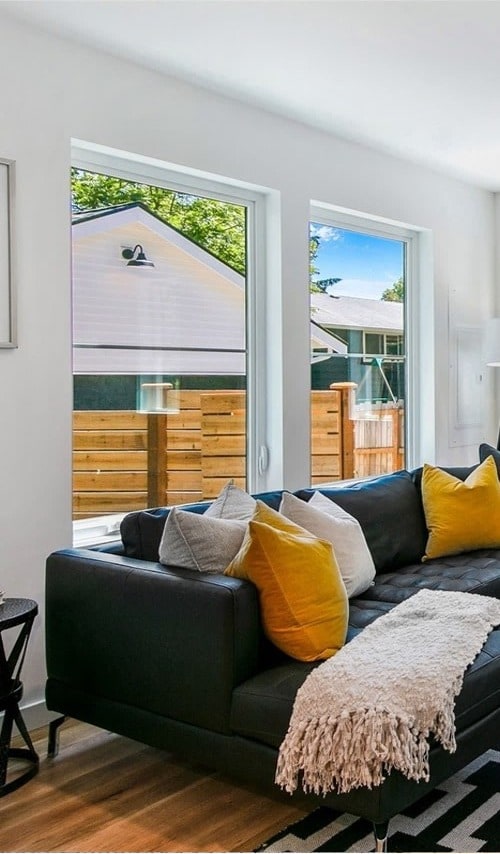
“Can I just put a tiny house in the backyard?” is one of the most common questions we get, and it has three different answers depending on what the person means by tiny house. Washington has done more than most states to make tiny houses legal, but the law draws a hard line that most tiny-house marketing blurs: whether the thing has wheels. Here is where tiny houses, tiny houses on foundations and DADUs actually stand in Washington, and which one can be lived in, rented and sold with your home.
Three things people mean by “tiny house”
- A tiny house on wheels (THOW). Built on a trailer, towable, typically 150 to 400 square feet. Legally a vehicle or recreational vehicle, not a building.
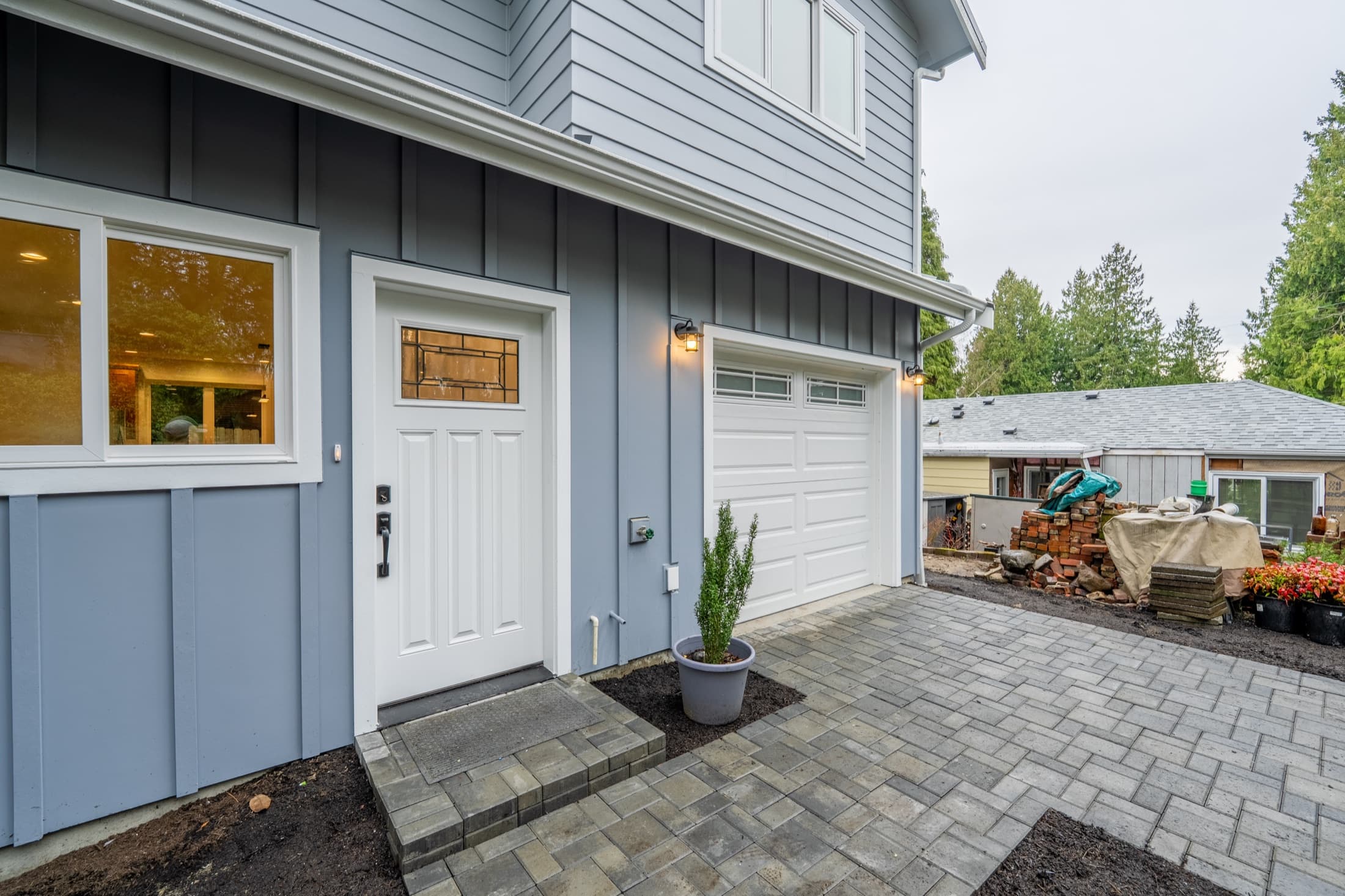
- A tiny house on a foundation. A small permanent dwelling, usually 400 square feet or less, built to the residential building code with the relaxations the code allows for tiny houses. Legally a house.
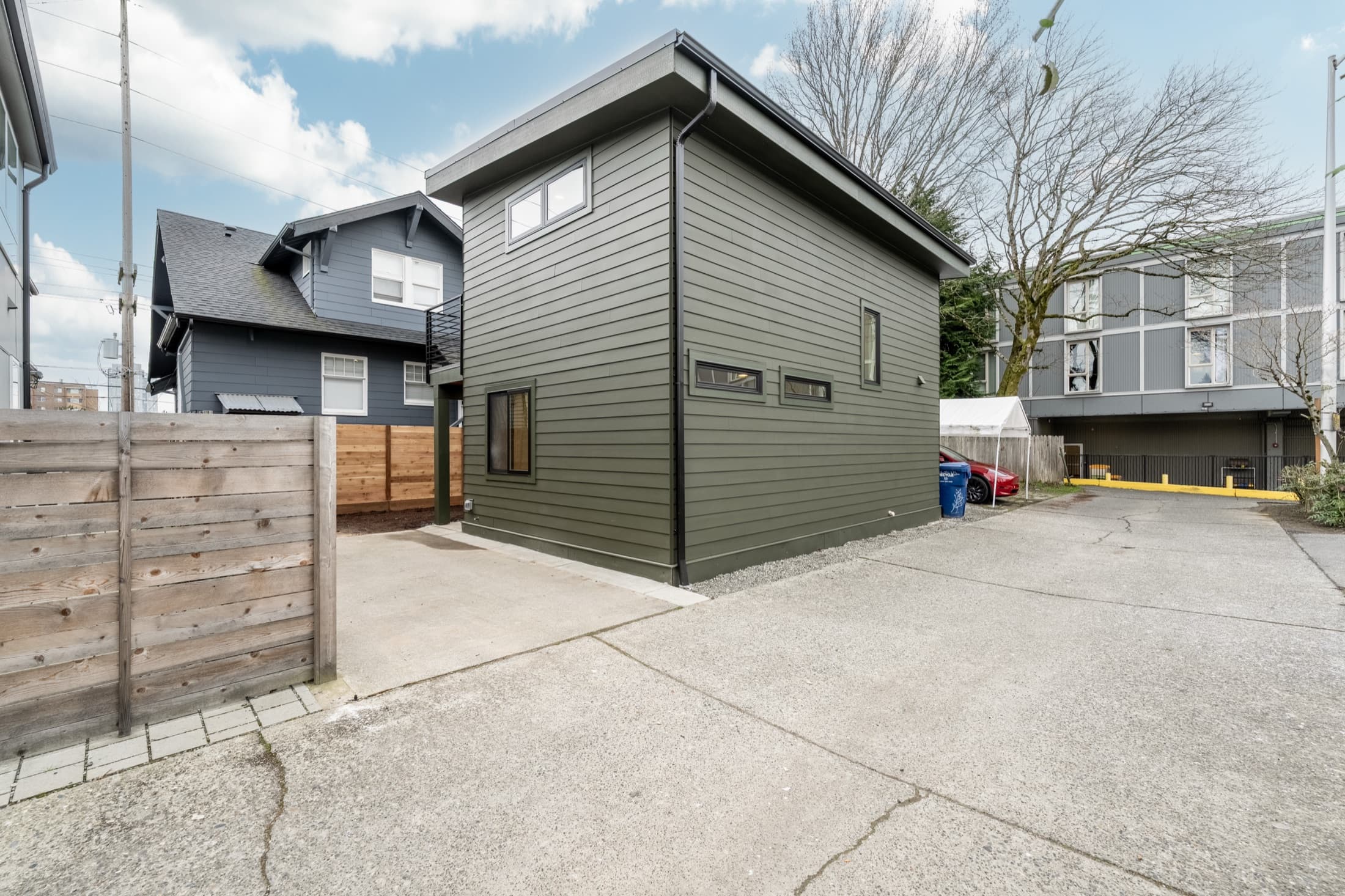
- A DADU. A detached accessory dwelling unit of any size the jurisdiction allows — up to 1,000 or 1,200 square feet in Seattle — built to the full residential code on a permanent foundation. Legally a house, and specifically a second dwelling on a lot that already has one. See ADU vs. DADU.
What Washington law actually did
In 2019 the Legislature passed a tiny-house bill that defined the term in state law and directed the State Building Code Council to write tiny-house standards. The result was Washington's adoption of Appendix Q of the International Residential Code in 2021. Appendix Q applies to dwellings of 400 square feet or less and relaxes a handful of rules that make very small homes impractical under the standard code: lower loft ceiling heights, ladder and alternating-tread access to lofts, smaller emergency-escape openings for lofts, and so on. That is a genuine change. A 350 sq ft house on a foundation can now be permitted as a real dwelling in Washington without a variance.
Notice what it did not do. Appendix Q is for buildings on foundations. A tiny house on wheels is still regulated as a vehicle, inspected (if at all) through the state's RV or modular programs rather than by the local building department, and it does not meet the building-code definition of a dwelling. Cities and counties decide where RVs may be parked and lived in, and most of them, including the ones we build in, do not allow one as permanent housing on a residential lot. Some jurisdictions outside our area have carved out exceptions; confirm with the specific city or county before you buy a unit.
Can a tiny house be an ADU?
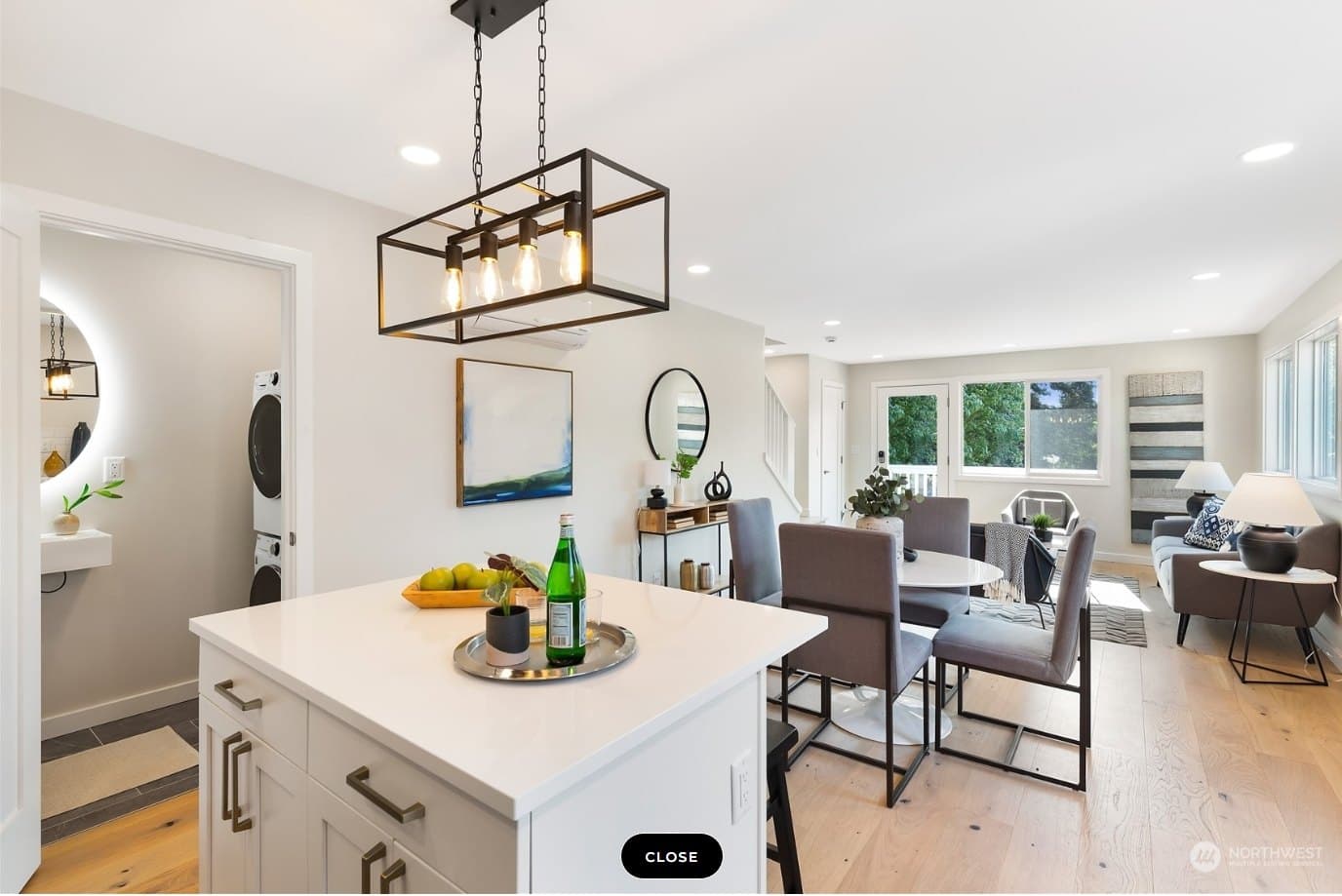
On a foundation, yes. An ADU is defined by what it does — provide complete independent living with cooking, sleeping and sanitation on the same lot as a main house — not by its size. A 380 sq ft foundation-built tiny house with a kitchen, a bathroom and an egress-compliant sleeping area, permitted as a detached ADU, is simply a very small DADU. It goes through the same permit, the same inspections, the same utility connections and the same site work as a larger one. See what a DADU permit involves and the inspections it passes.
On wheels, in our jurisdictions, no. Because it is not a dwelling, it cannot be the permitted ADU. It cannot legally be rented as housing, it will not be counted by an appraiser or lender, and it does not convey with the property at sale in any meaningful way. The flexibility of wheels is real; the cost of that flexibility is that the unit never becomes part of the real estate.
The cost comparison people get wrong
A finished tiny house on wheels can be bought for a fraction of a DADU budget, and that comparison is where most decisions get made. It is the wrong comparison. A permanent unit of any size needs a foundation, a utility trench with water, sewer or septic, and power, a permit set, inspections, and the site work to get all of that into the yard. Those costs are nearly the same whether the building on top is 350 or 900 square feet, which is why cost per square foot climbs as units get smaller — see the cheapest way to build an ADU. A wheeled unit avoids those costs only by not being a permanent dwelling. Once you want it to be one, the savings largely disappear, and you have bought a building that cannot be more than 400 square feet.
So which should you build?
- You want a movable space for yourself, no rental, no resale value, and the local rules allow it: a tiny house on wheels can make sense. Check the parking and occupancy rules first, not after.
- You want a permanent, minimal second home and the lot is very constrained: a foundation-built tiny house under Appendix Q is a legitimate, permittable option — in effect a micro-DADU.
- You want rental income, a place for family, or value at sale: build the DADU the lot allows. The marginal cost of the extra square footage is low once the site work is paid for, and a two-bedroom unit does things a 400 sq ft one cannot — see is an ADU a good investment.
If you are weighing a tiny house against a backyard home, send us the address. We will tell you what the lot can carry and what each option would actually cost once the foundation and utilities are counted — including when the honest answer is the smaller building.