How to Finance an ADU in Seattle
By Eric Dexter, Owner & Builder ·
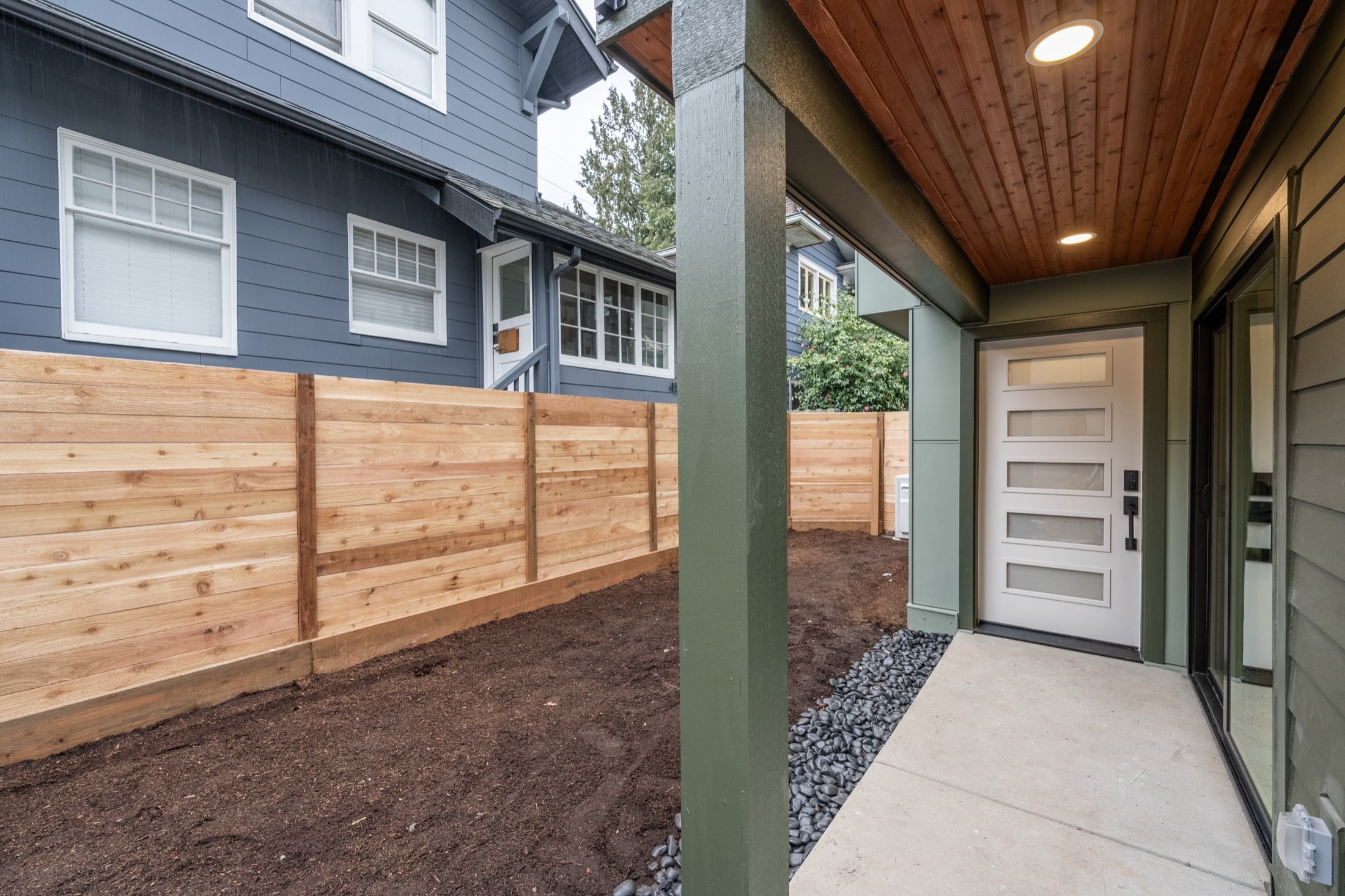
Once you know a DADU in the Seattle area runs roughly $375,000 to $600,000+ all-in, the next question is the practical one: how do you actually pay for it? Most homeowners don't write a check — they use one of a handful of financing routes. Here's the plain-English landscape. (Quick disclaimer up front: we're builders, not lenders — this is general education, not financial advice, so confirm the specifics with a mortgage professional.)
Start with a real number
Financing works best when it's built on an accurate budget, not a guess. Before you talk to a lender, get a realistic all-in figure for your specific lot — use the ADU cost calculator for a ballpark and our realistic costs page for the full breakdown, so the amount you borrow actually covers the project.
Common ways to finance an ADU
Home equity loan or HELOC
If you have equity in your home, a home equity loan (a lump sum) or a HELOC (a revolving line you draw from) is one of the most common ways to fund an ADU. You're borrowing against value you already have, often at competitive rates.
Cash-out refinance
A cash-out refinance replaces your existing mortgage with a larger one and gives you the difference in cash. It can make sense if today's rates work in your favor, since it consolidates everything into one loan.
Construction or renovation loan
Renovation and construction loans are designed for building. Some are based on your home's projected value after the ADU is complete, which can unlock more funding than your current equity alone — useful when you don't yet have enough equity to cover the build.
Cash or savings
Paying cash avoids interest entirely and simplifies the process, and some homeowners blend cash with a smaller loan to reduce what they borrow.
Using future rental income
Because a DADU can generate rent, some loan products let you factor projected rental income into what you qualify for — and many owners plan for that rent to help cover the payment. It's a big part of why an ADU pencils out; we cover the value side in what an ADU means in real estate.
What lenders generally look at
- Your available home equity and the projected after-build value
- Credit and income, like any home loan
- A clear scope, plans and permits for the project
- A qualified, licensed builder behind the build
That last point matters: lenders are more comfortable financing a project with a credible, licensed contractor and a realistic budget — which is exactly what a solid builder brings to the table.
Where DIGS fits
We don't lend, but we make financing easier by giving you the two things a lender wants: an honest, all-in budget and a real scope of work for your lot. Budget for the carrying side too — what an ADU does to your property taxes is a line many owners only discover after the build. Get your number with the cost calculator, learn how to choose an ADU contractor, or get in touch and we'll help you put real figures in front of your lender.