What Is an ADU in Real Estate?
By Eric Dexter, Owner & Builder ·
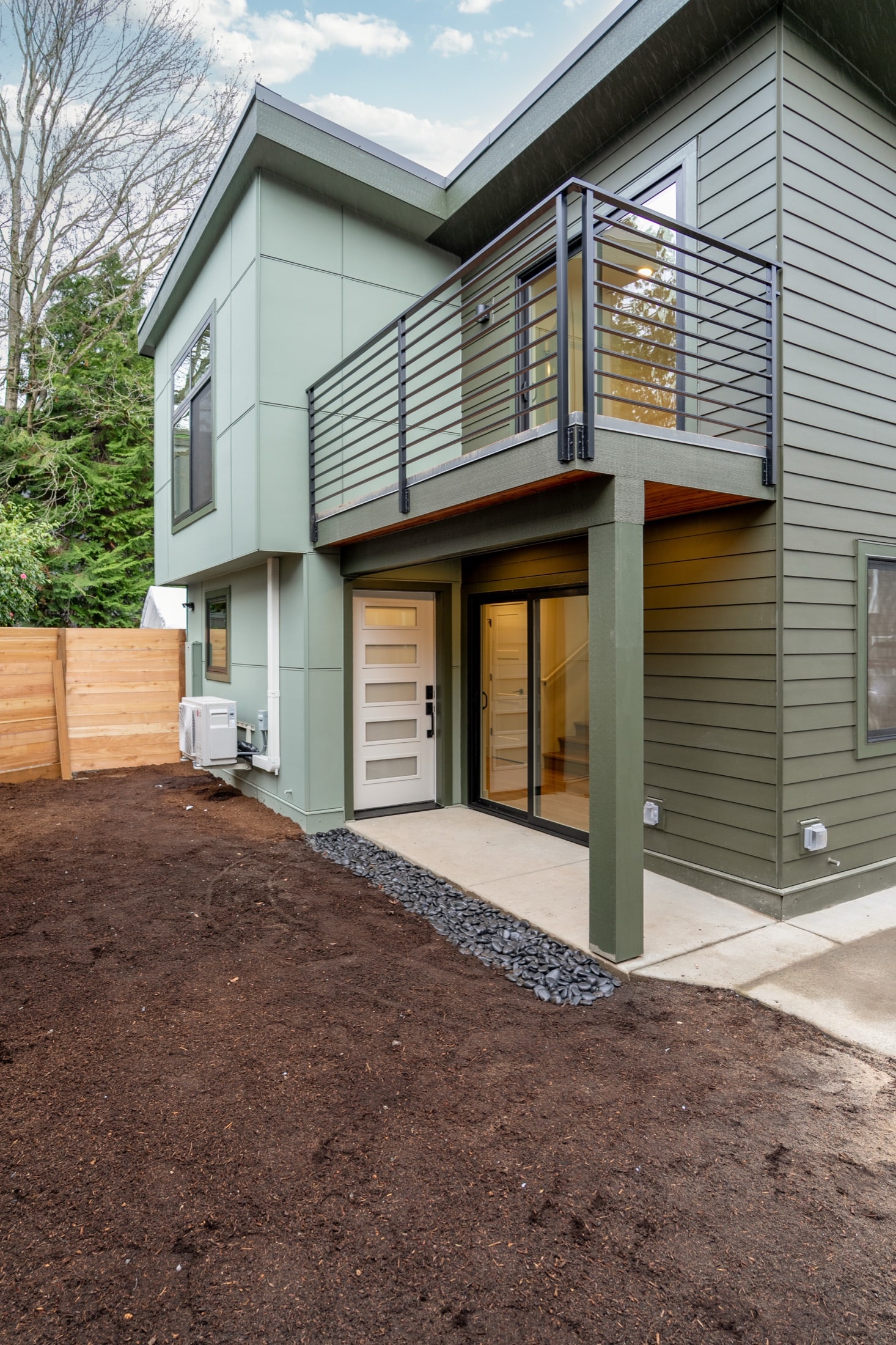
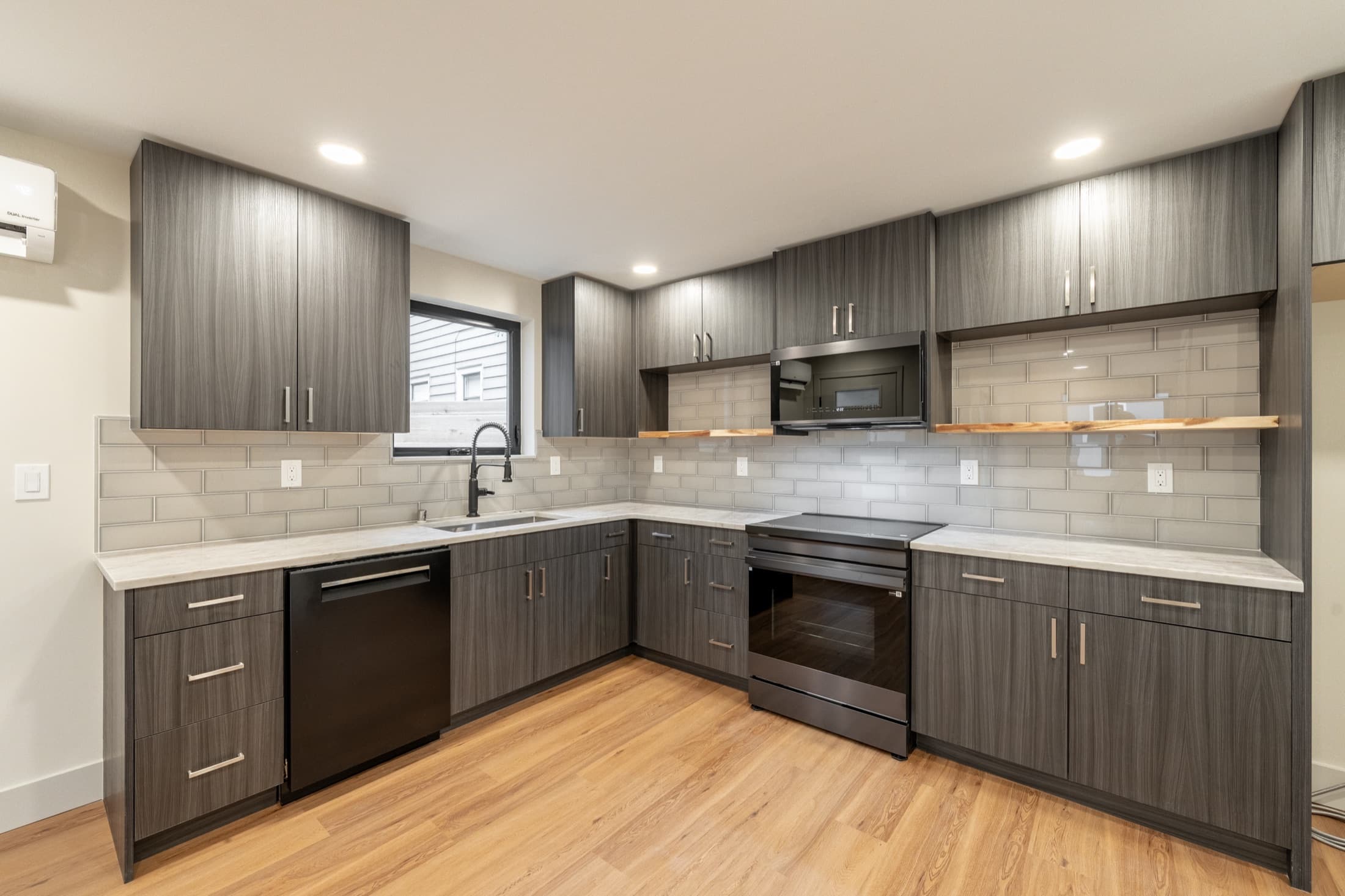
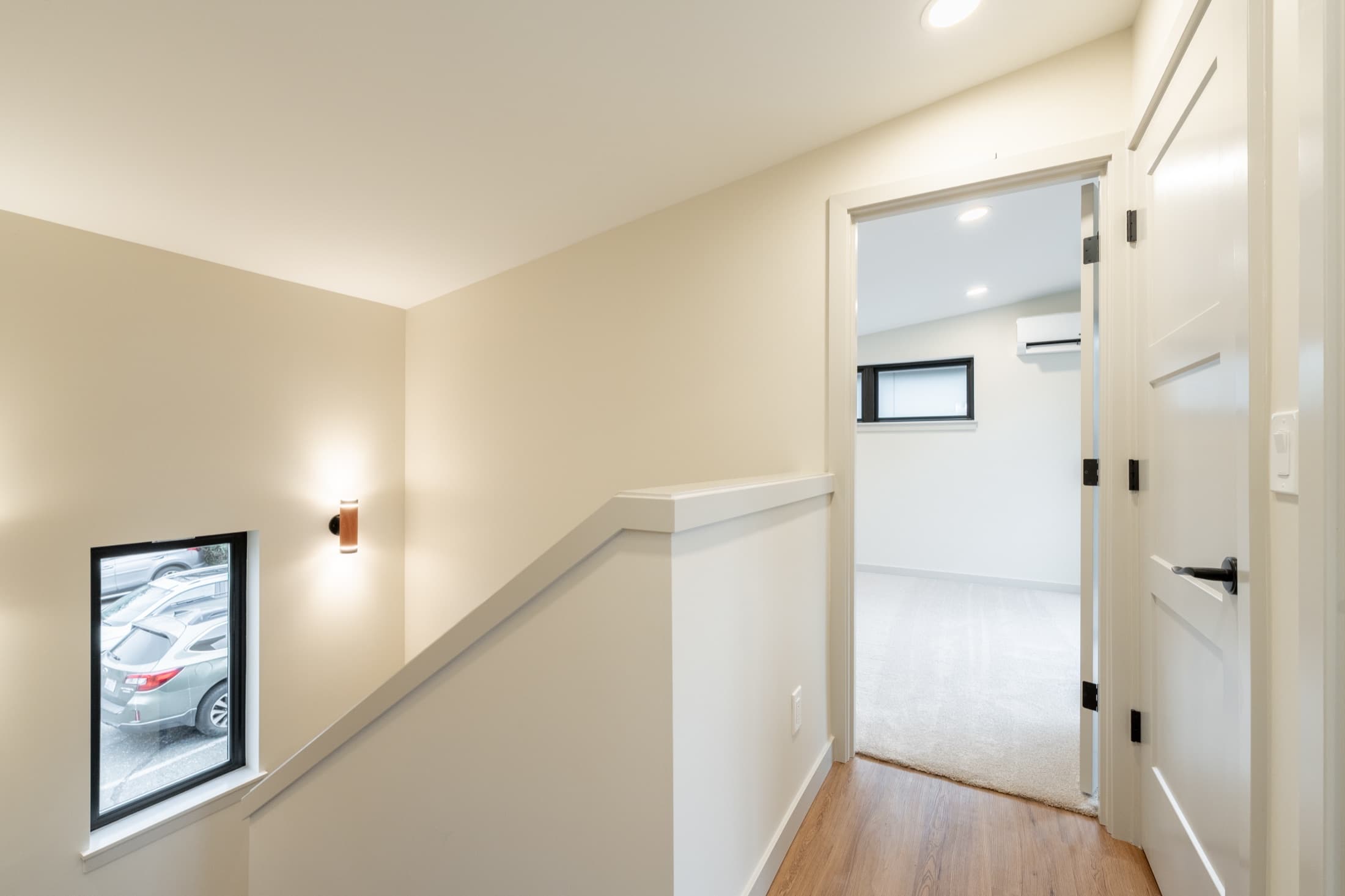
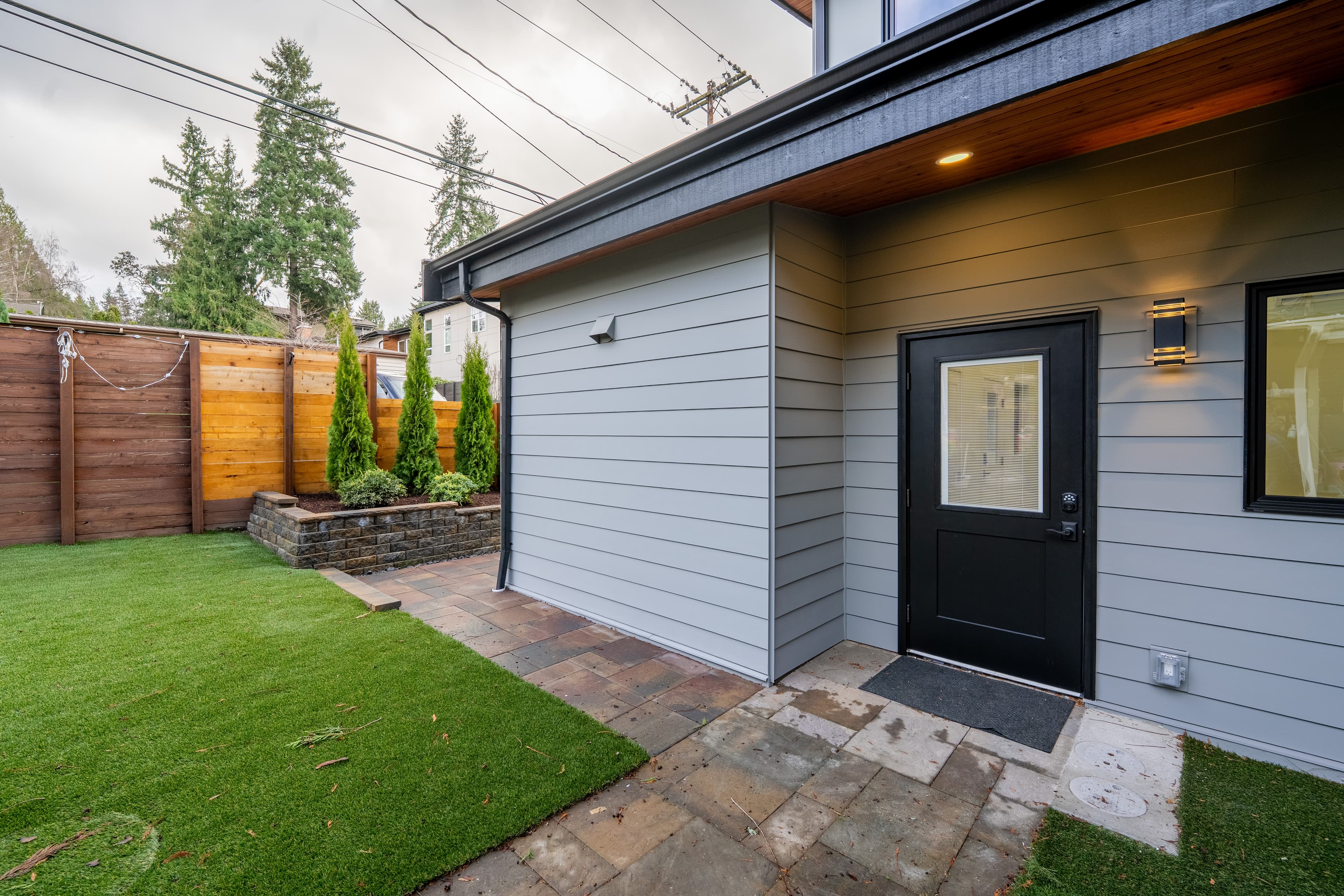
ADU stands for Accessory Dwelling Unit — a second, legally independent home on a lot zoned for a single house. In real estate, an ADU is the extra kitchen-bath-bedroom unit you'll see listed as an “in-law suite,” “guest house,” “basement apartment” or “backyard cottage.” It's one of the most valuable upgrades you can add to a property, which is why buyers, sellers and homeowners are searching for what it means.
What does ADU stand for in real estate?
ADU = Accessory Dwelling Unit. It's “accessory” because it's secondary to the main house, and a “dwelling unit” because it's a complete, self-contained home with its own kitchen, bathroom, sleeping space and entrance. When an ADU is detached — a standalone building in the yard — it's called a DADU (Detached ADU). We break that distinction down in ADU vs DADU.
Why ADUs matter in real estate
An ADU changes what a property is. Instead of one home on a lot, you have two independent living spaces — and that has real financial weight:
- Added square footage & value — permitted living space generally increases a property's market value and appraisal.
- Rental income — an ADU can be rented long-term, turning unused land into monthly cash flow.
- Flexibility — multigenerational living, aging parents, adult kids, a home office or a guest house.
- Resale appeal — in a high-cost market like Seattle, a home with a legal ADU stands out to buyers who want income or flexible space.
Does an ADU add value to your home?
Generally, yes. A well-built, permitted ADU adds both usable space and income potential — two things buyers pay for. The exact impact depends on your neighborhood, the unit's size and quality, and local rental demand. The key word is permitted: an unpermitted conversion can actually complicate a sale, which is why doing it properly matters. You can estimate the cost to build one and see what the investment looks like.
What buyers and sellers should know
If you're selling, a legal ADU is a selling point — document the permits and any rental history. If you're buying a home with an ADU, confirm it was permitted and meets code. And if you own a home and are wondering whether to add one, an ADU is often the highest-return way to use land you already have. Our ADU & DADU FAQ covers the permitting and size rules for the Seattle area.
Thinking about adding an ADU?
We've built 100+ ADUs, DADUs and custom homes across the Greater Seattle area. If you want to know what a unit would cost and add on your lot, try the ADU cost calculator, learn how to choose an ADU contractor, or get in touch for a straight answer.