Getting Power to a DADU: Seattle City Light, Subpanels and Separate Meters
By Eric Dexter, Owner & Builder ·
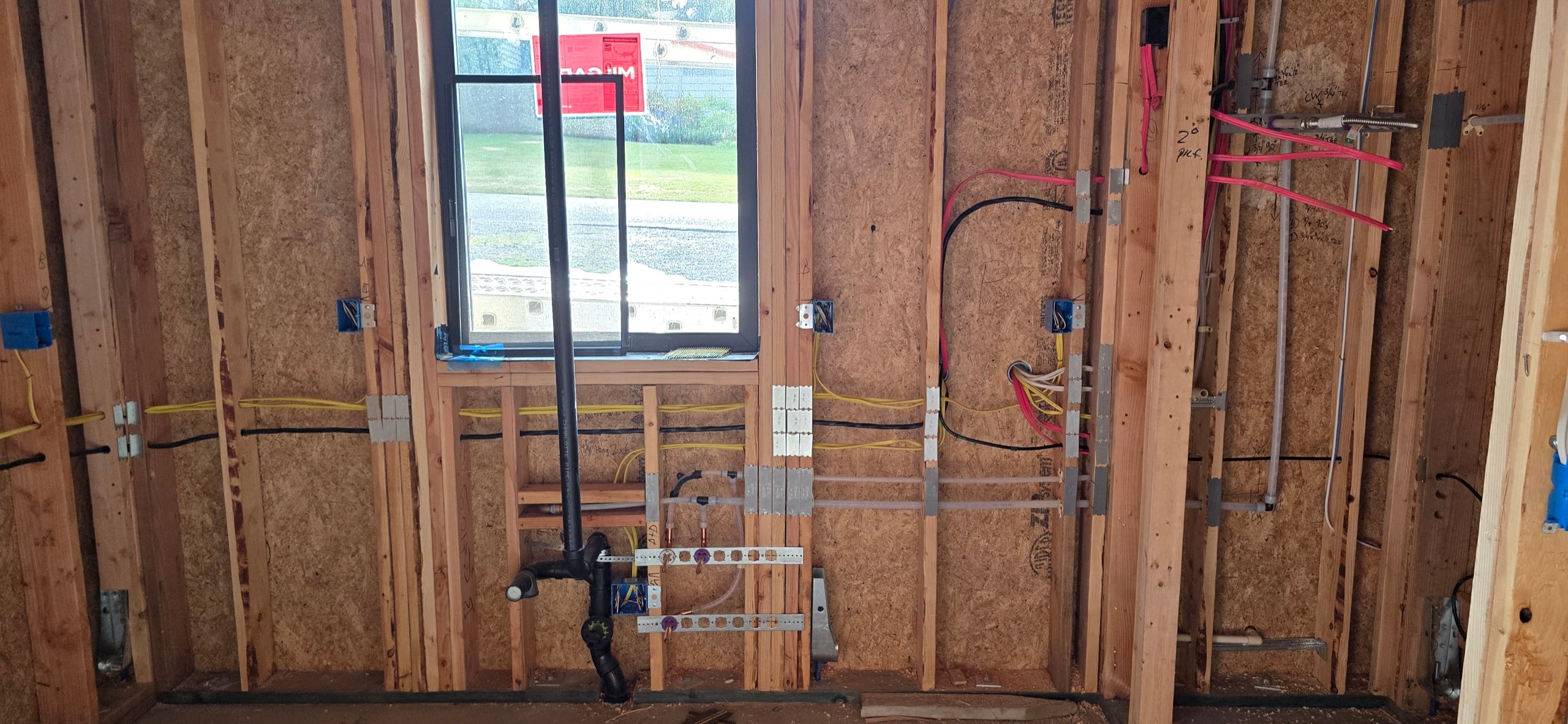
One of our Seattle clients wrote in a Google review that getting electricity to their finished DADU took months — the building was done, inspections were passing, and the power connection was not. That story is not rare, and it is almost always avoidable. The fix is not a better electrician at the end of the job; it is deciding how the cottage gets power at the very beginning, on paper, before permits.
Two ways to power a backyard cottage
Option 1: feed it from the house
The most common arrangement. A feeder runs from the main house panel, through a trench, to a subpanel in the DADU. There is no new utility service and no new meter; the cottage's electricity shows up on the house bill. It is usually the simpler and cheaper path, with one big condition: the house's existing service has to have the capacity. An electrician runs a load calculation for the house plus the new unit — heat pump, range, water heater, dryer, perhaps an EV charger — and an older 100-amp service frequently does not pass. Then the house service gets upgraded first, which is itself a City Light job.
Option 2: a separate City Light service and meter
The cottage gets its own service drop or underground service from Seattle City Light and its own meter. Owners choose it when the house service is too small to share, when they want a tenant billed directly, or to keep the two buildings electrically independent. It means a City Light application, City Light design and scheduling, and work on the utility's side that the builder does not control.
The City Light process
For a new or upgraded service, City Light's published process is: review its Requirements for Electric Service Connection, then submit the online Electric Service Application with the type of service and the date you need it. City Light says a representative contacts you within 5 to 10 business days after the application is processed, you can ask whether a pre-construction meeting is needed to confirm the work meets its standards, and services must be paid for before the connection is completed. City Light has also warned of longer timelines from supply-chain and staffing constraints. None of that is unusual. What makes it painful is learning it after the cottage is framed.
Separately, SDCI reviews and inspects the electrical work on your side of the meter under the building permit. Two agencies, two timelines; the schedule is set by the slower one.
Why this belongs in design, not after permits
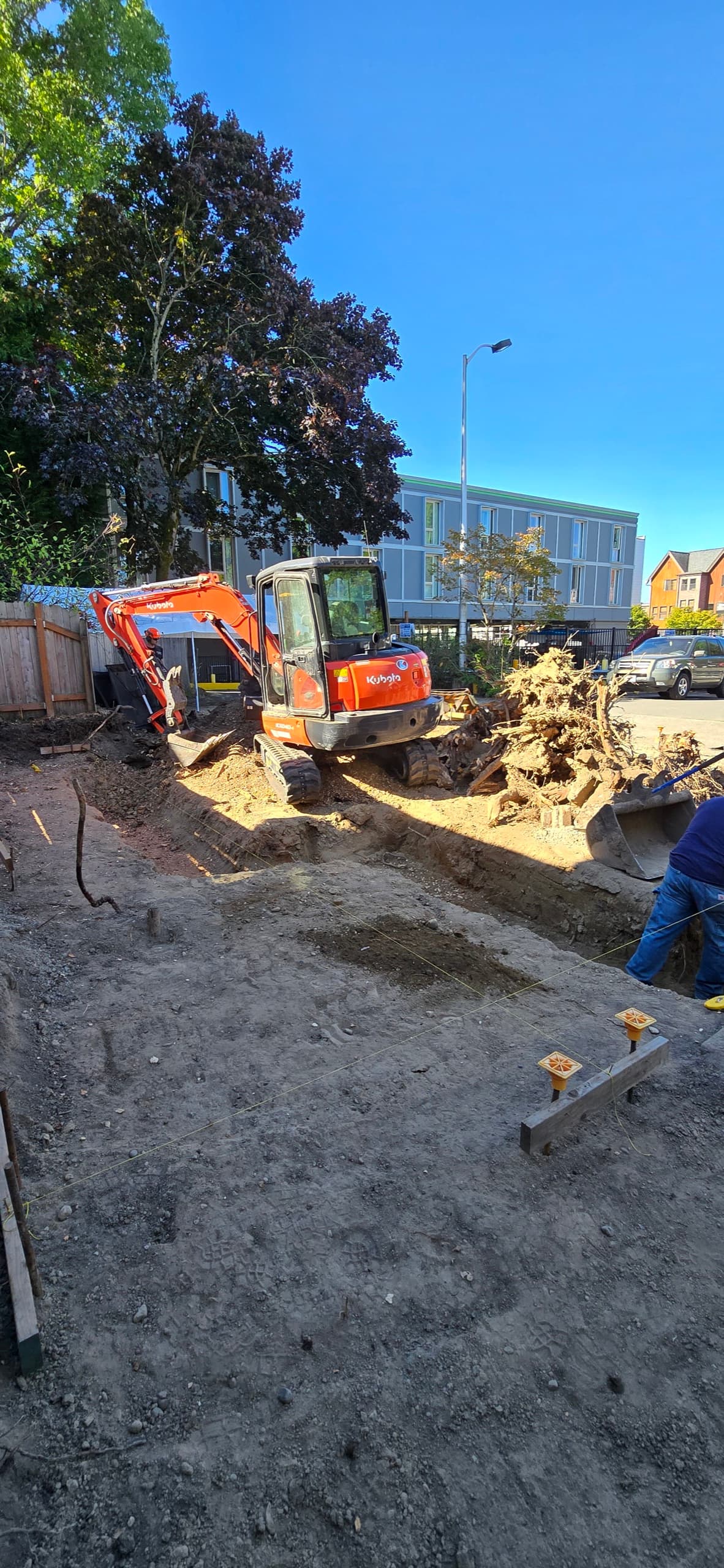
- It moves the site plan. Where the meter base goes, where the service enters, how the trench gets from the street or the house to the cottage, and how it crosses other utilities all show up on the drawings — see utility connections for an ADU.
- It moves the budget. A service upgrade, a long trench or a new utility service can be a meaningful line item. In an all-in quote it is visible from day one; in a low bid it is often an allowance — how to compare ADU bids.
- It sets the critical path. If City Light work is needed, the application goes in as early as the utility will accept it, so its timeline runs in parallel with construction rather than after it.
- It decides the heating system. All-electric heat pumps, induction and heat-pump water heaters are the norm for new ADUs, and they drive the load calculation — heating and cooling an ADU.
When it goes sideways anyway
Sometimes a utility takes a position that adds months, as it did for the client whose review opened this post. Their account describes the dispute dragging on until a simple hookup was approved. What a builder can do is stay on it: keep every application, drawing and email organized, escalate through the proper channels, offer alternatives the utility will accept, and keep the homeowner informed. What a builder cannot do is make a utility move faster, which is exactly why the power question gets answered first.
Ask this on day one
Before any design money is spent, ask your builder: what size is my current service, will it carry the new unit, and if not, what does the upgrade or separate service involve? On our projects that answer is part of the feasibility study. If you are planning a DADU anywhere in City Light territory, send us the address and we will tell you which path your lot is likely on.