What Happens If Something Goes Wrong After Your ADU Is Built?
By Eric Dexter, Owner & Builder ·
Every building has a punch list. A new DADU is a house assembled by a dozen trades in someone's backyard; something will need adjusting, and occasionally something will turn up after you move in. That is not the test of a builder. The test is what happens when you call. One of our clients put it plainly in a review: an issue with wiring and insulation came up, and it was fixed free of charge. This post is about how to make that the normal outcome on your project, whoever builds it.
Most problems are caught before handover
The best warranty is a thorough finish. On a well-run project the last weeks include a formal walkthrough with the owner, room by room, producing a written punch list: every item, who fixes it and by when. Before the final payment, test everything while the builder is still on site:
- Run every faucet, shower and drain hot and cold; look under every sink.
- Operate every window, door, lock and the heat pump in heating and cooling mode.
- Trip the bathroom exhaust fans and check they vent outside, not into the attic.
- Flip every breaker and test every outlet, including the exterior and GFCI ones.
- Walk the outside in the rain if you can, and watch where the water goes.
Hold back the final payment until the punch list is closed or a written plan for the open items is agreed. A professional builder expects this.
What to get in writing
- The workmanship warranty. What it covers, for how long, how to report a problem, and how quickly the builder responds. Put it in the contract, not in a conversation.
- Manufacturer warranties. Roofing, windows, appliances, the heat pump and the water heater carry their own. Many need to be registered within a set time, so ask the builder to hand over the documents at completion.
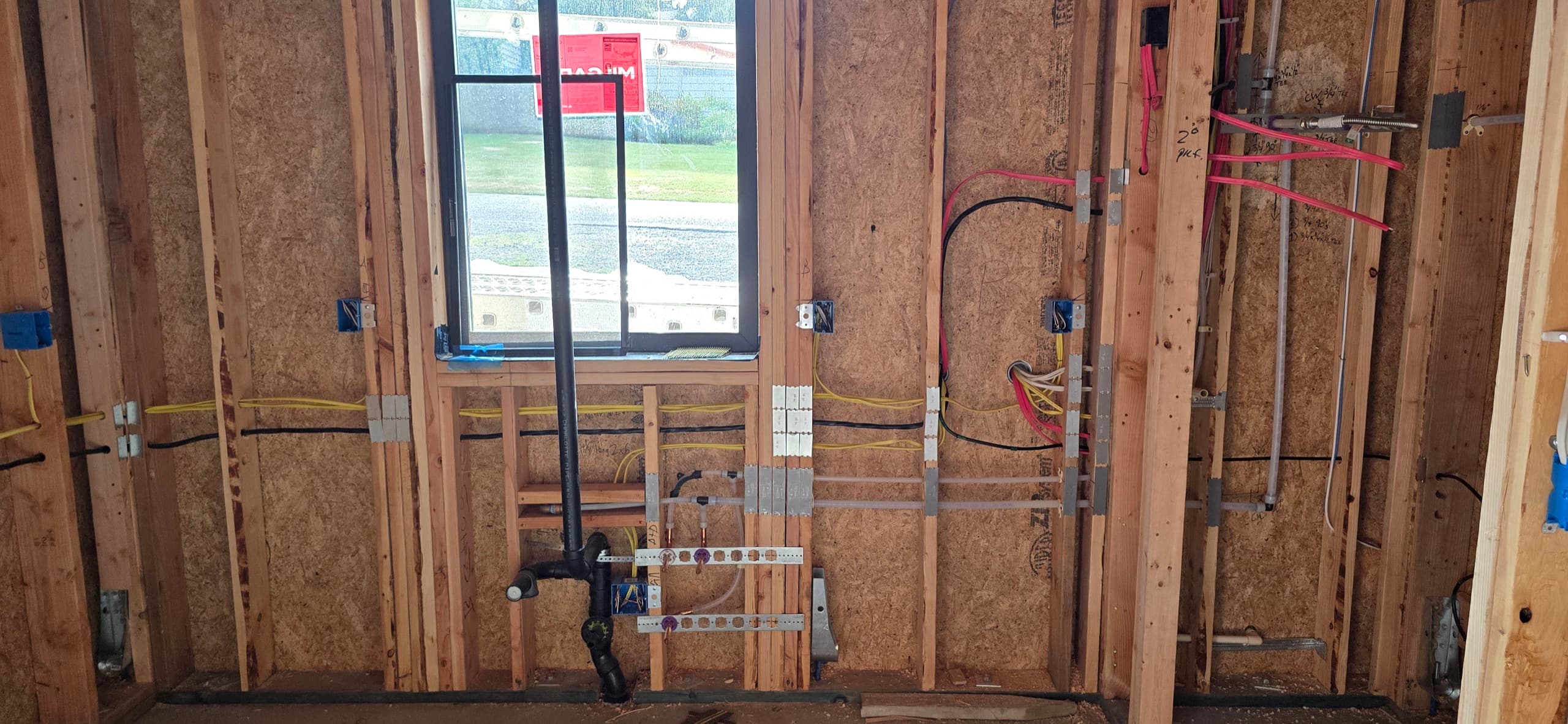
- The permit file and as-builts. The final inspection record, the approved plans, and photos of what is inside the walls before drywall. They make any later repair faster and are exactly what an appraiser or buyer asks for — selling a home with an ADU.
What to do when something turns up
Report it in writing, promptly, with photos and the date you noticed it, and give the builder a reasonable chance to look. Most issues in the first year — a sticking door, a nail pop, a fan that needs rebalancing, settling cracks in drywall — are routine and get handled on a visit. Some are not routine, and a quick written report is what keeps a small water issue from becoming a large one.
What Washington law says
If a defect turns into a real dispute, Washington has a defined process. Chapter 64.50 RCW requires a homeowner to serve written notice of a construction-defect claim on the residential builder before filing suit. The builder then has the chance to inspect, and to respond with an offer to repair, an offer to settle, or a statement disputing the claim, on deadlines the statute sets. Residential construction contracts must include a conspicuous notice explaining this right-to-repair process. Separate time limits govern how long after completion a claim can be brought. This is a summary, not legal advice; if you are heading toward a dispute, talk to a Washington construction attorney early.
How to pick a builder who answers the phone
Read reviews for what happened after something went wrong, not just for “great job.” Ask the builder for a past client you can call who had an issue after handover. Check the license, bond and complaint history on the Washington L&I contractor registry. And prefer an owner-led company, where the person you call is the person who can authorize the fix — how to choose an ADU contractor. Our reviews are on our Google profile and the homepage; to talk through a project, get in touch.