What Happens at a Free ADU Consultation (and What to Have Ready)
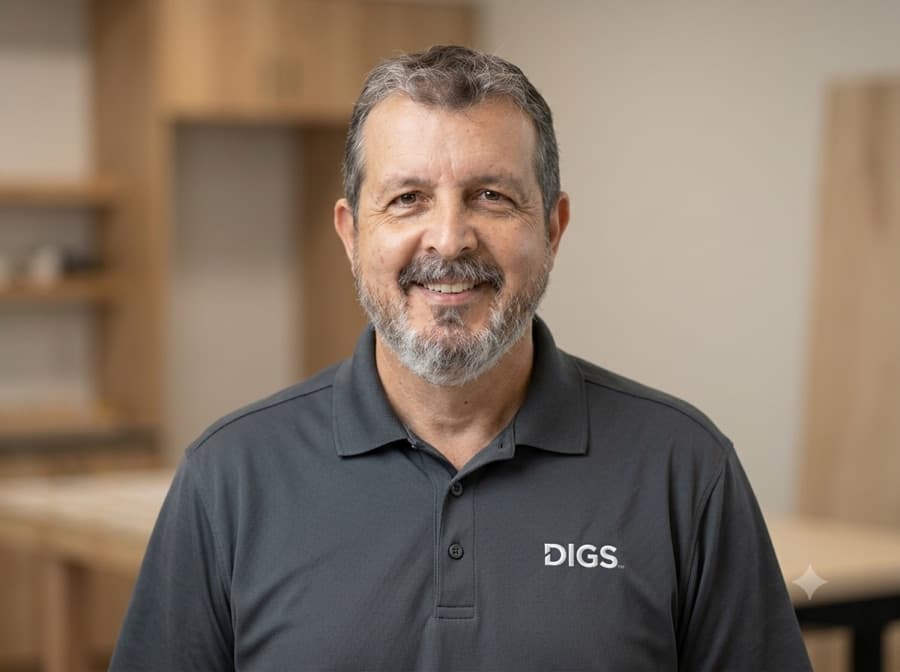
By Eric Dexter, Owner & Builder ·
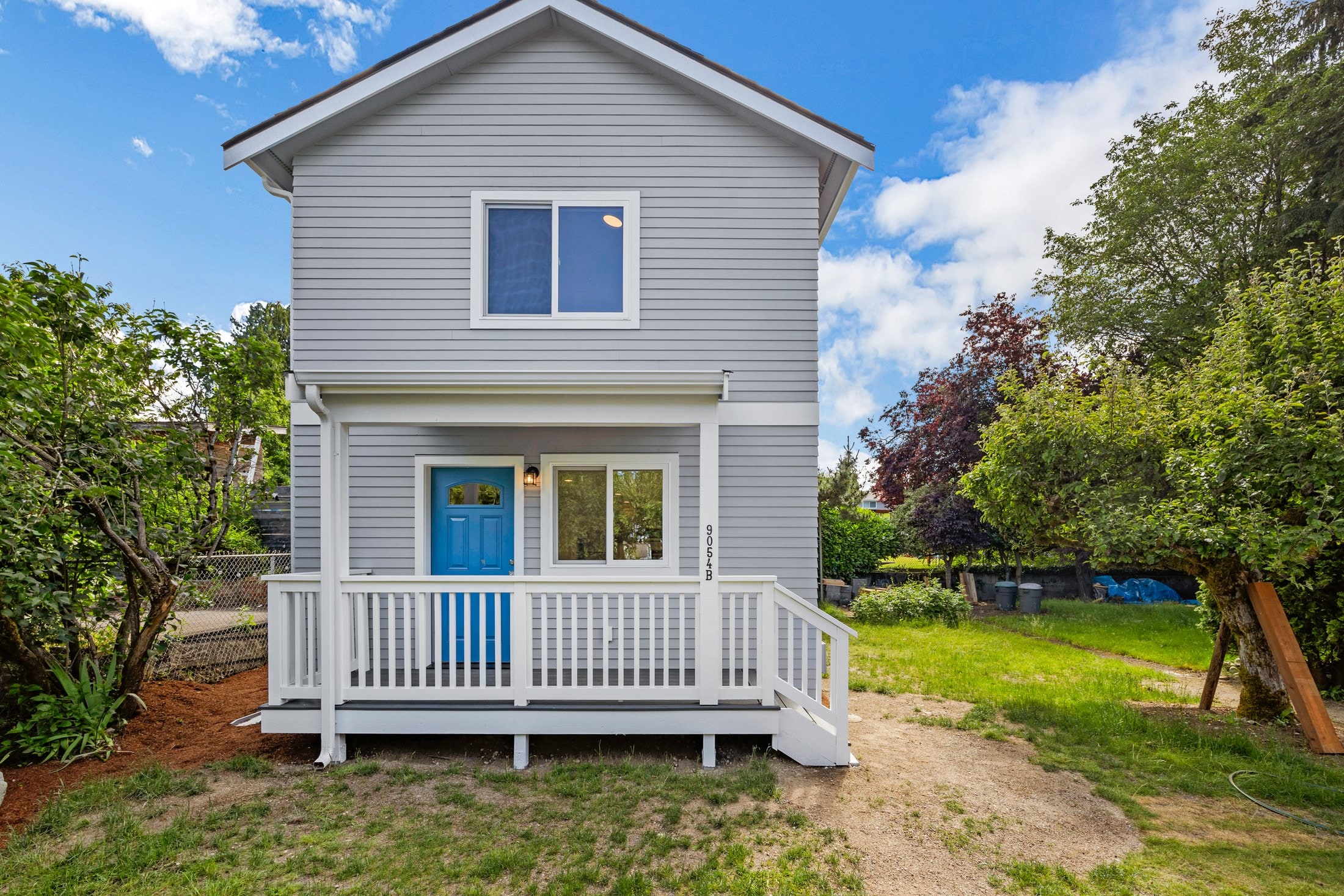
Every builder's website offers a free consultation. Almost none of them tell you what happens in it, which is why so many homeowners arrive with nothing, leave with a vague “it depends,” and lose a month. Here is exactly what our first conversation covers, what makes it useful, what to have ready, and the questions you should be asking us.
What the first call is for
The first step in our process is a short discovery conversation. Its only job is to find out four things: what you want the unit to do, your rough budget range, your timeline, and your land situation. That last one matters most. With just an address we can look up the zone, the lot size, whether a critical-area layer touches the parcel and roughly where the utilities are before we ever speak, so the call is about your lot rather than ADUs in general. If the answer is obviously no — the lot cannot carry a unit, or the budget and the wish list are a long way apart — you find out in twenty minutes, free.
What happens on a site visit
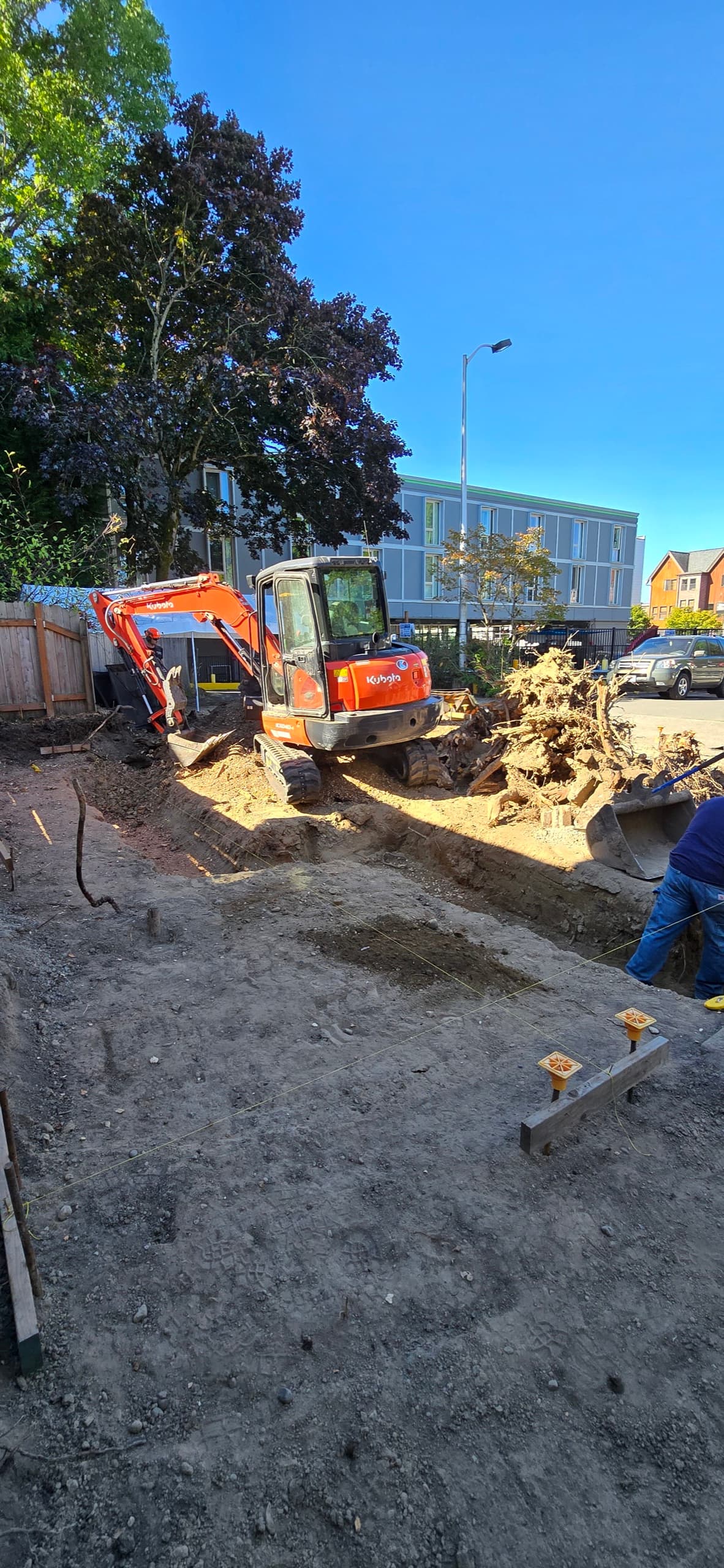
If the call says “plausible,” the next conversation usually happens standing in the yard. A good builder is not admiring the garden; they are reading the site. Where would an excavator get in? How far is the sewer or septic? Which way does the ground fall, and where does water go when it rains? Which trees are big enough to be protected? How close is the nearest neighbor's window to where a second story would be? None of this is design. It is the list of things that will decide the site-work number, which is the part of an ADU budget that varies most — see what site work involves.
Where “free” ends, and why
Here is the part most websites skip. The conversation and the first look are free. What is not free is the work that turns “plausible” into a number you can plan around: researching the zoning and overlays, confirming setbacks and lot coverage, checking critical areas, soils and utility capacity, and modeling the cost for that specific lot. We sell that as a paid pre-construction planning service, and we say so up front, because the alternative is what much of the industry does: a free “estimate” that is really a guess with a large allowance hidden in it. The deliverables are a written feasibility assessment, a detailed cost model for your lot and goals, a risk analysis, and a realistic roadmap and timeline. What that study actually checks is in what an ADU feasibility study is.
Six things to have ready
- The address. Everything starts there. If you can, also note the lot size and zone from the county or city map — how to check your zoning takes ten minutes.
- What the unit is for. Rental, a parent, an adult child, an office, resale. The use changes the plan: a rental wants two bedrooms and a separate entrance; a parent wants a main-floor bedroom and a curbless shower — see aging-in-place design.
- A real budget range. Not a number you hope for — the range you could actually fund, and how (cash, HELOC, construction loan). A Greater Seattle DADU is roughly $375,000 to $600,000+ all-in; the cost calculator gives a first estimate and how to finance an ADU covers the options.
- Your timeline, honestly. A permitted DADU is a 12-to-18-month project in most of our jurisdictions. If you need the unit by a specific date, say so; it changes what we recommend starting first.
- Anything already on paper. A survey, a plat map, old plans of the house, a septic as-built, a title report. You may have none of these; that is normal. If you have any, they save weeks.
- HOA or covenants. A city permit does not override a recorded covenant. If there is an HOA, bring the CC&Rs — can an HOA stop an ADU.
What to ask the builder back
A consultation is also your interview of us. These are the questions we would ask in your position, and the answers you should expect:
- Who runs my job day to day? On ours, the owner. If the answer is a project manager you have not met, meet them before you sign.
- Is the price all-in? Does it include site work, utility connections, permit fees, design and engineering? If not, which of those is an allowance, and how big? How to compare ADU bids shows where numbers go missing.
- How many units have you permitted in my jurisdiction? Seattle, Bellevue, Kirkland and the counties all review differently. Experience at your counter is worth real money.
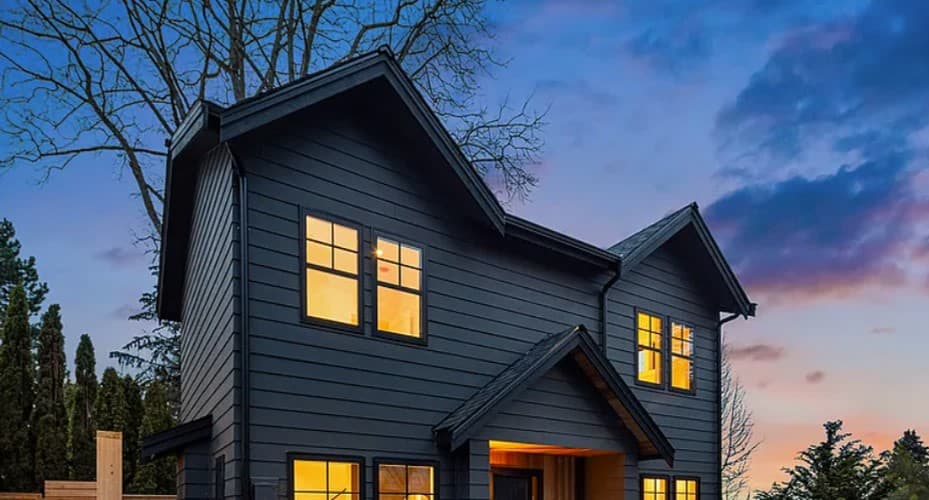
- Can I see one? Addresses of finished units to drive past, and if possible a walk-through. Ours are on the projects page.
- What is your license number? Then check it on the Washington L&I contractor registry for bond, insurance and complaint history. Ours is DIGSES*775LE. More in how to choose an ADU contractor.
What you should leave with
After a good first consultation you should know three things: whether your lot can plausibly carry a unit, what the realistic all-in range is for the kind of unit you want, and what the next step costs and produces. If you leave with a single number and no list of what it excludes, you did not get a consultation; you got a sales call. To start ours, send us the address or call — the first conversation is free, and we will tell you plainly if the answer is no.