Selling a Home With an ADU: What Buyers, Appraisers and Lenders Look For
By Eric Dexter, Owner & Builder ·
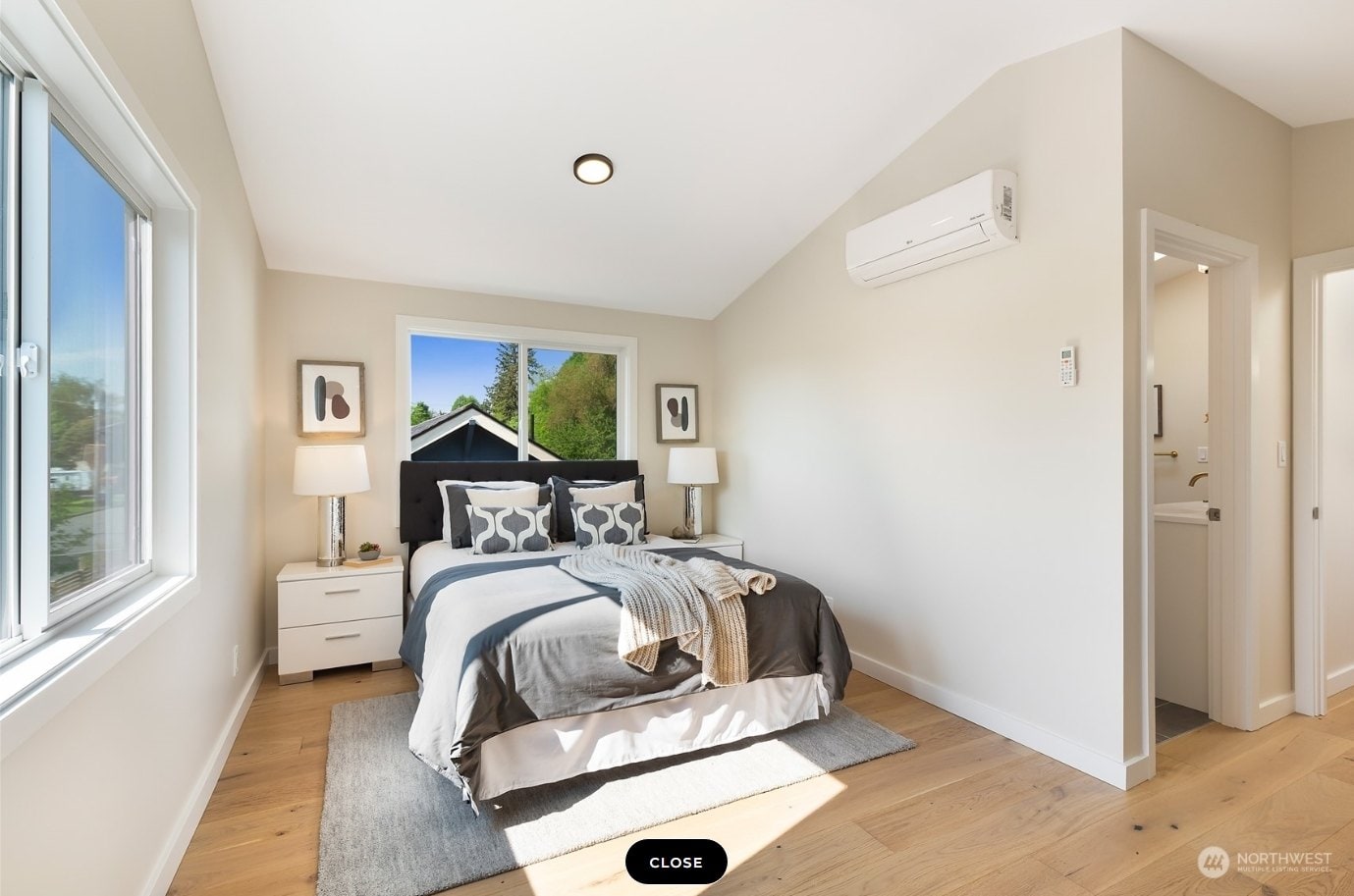
Most people build a backyard unit thinking about the years they will own it. It is worth thinking about the day you sell, too — because an ADU changes who your buyers are, what the appraiser does, and what the lender will accept. None of that is a reason not to build. All of it is worth knowing in advance.
We are builders, not appraisers, agents or lenders, so this is the shape of how those three treat an ADU rather than advice on your sale. Confirm the specifics with the professionals involved when the time comes.
Buyers: a different, and larger, pool
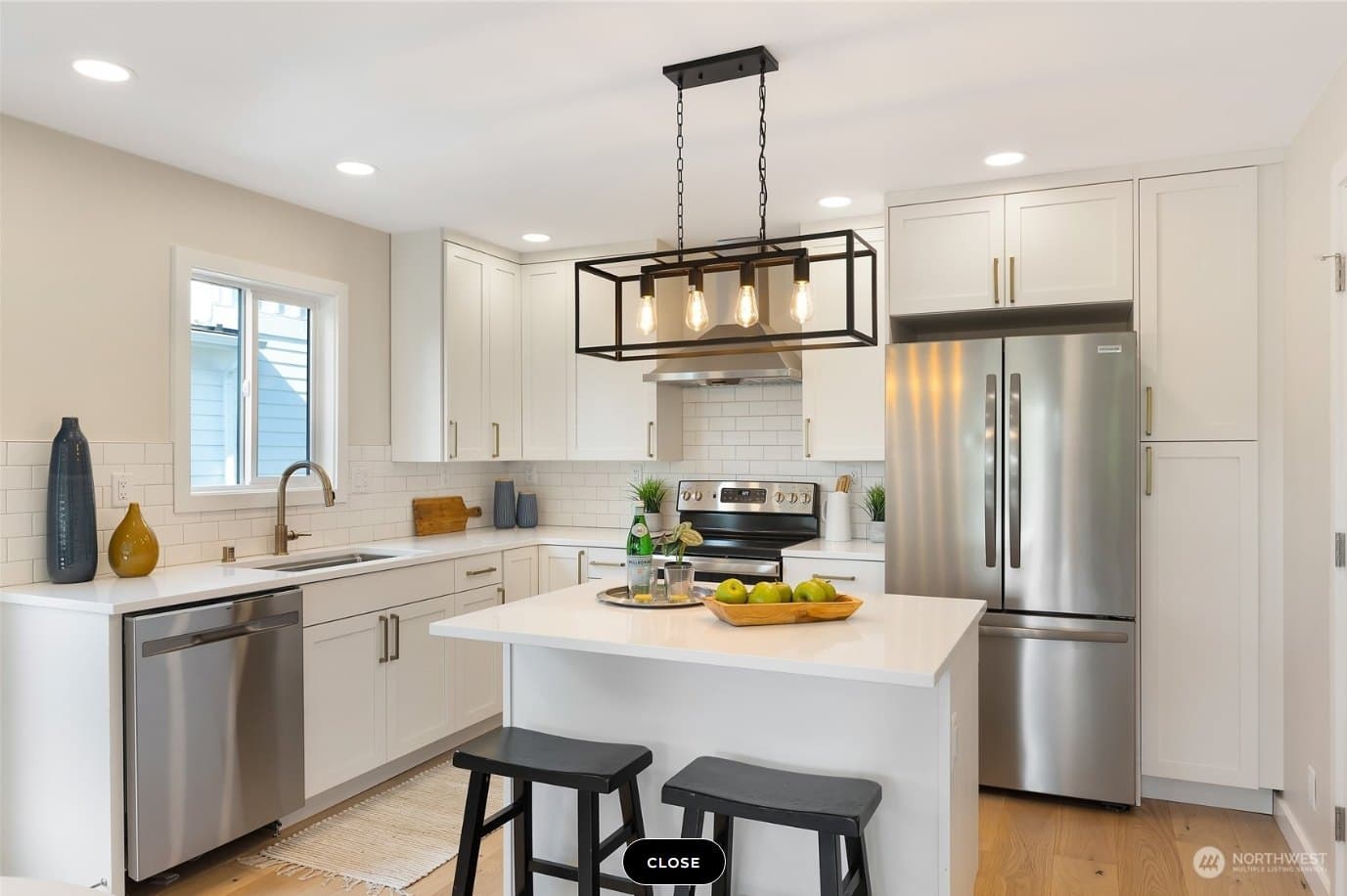
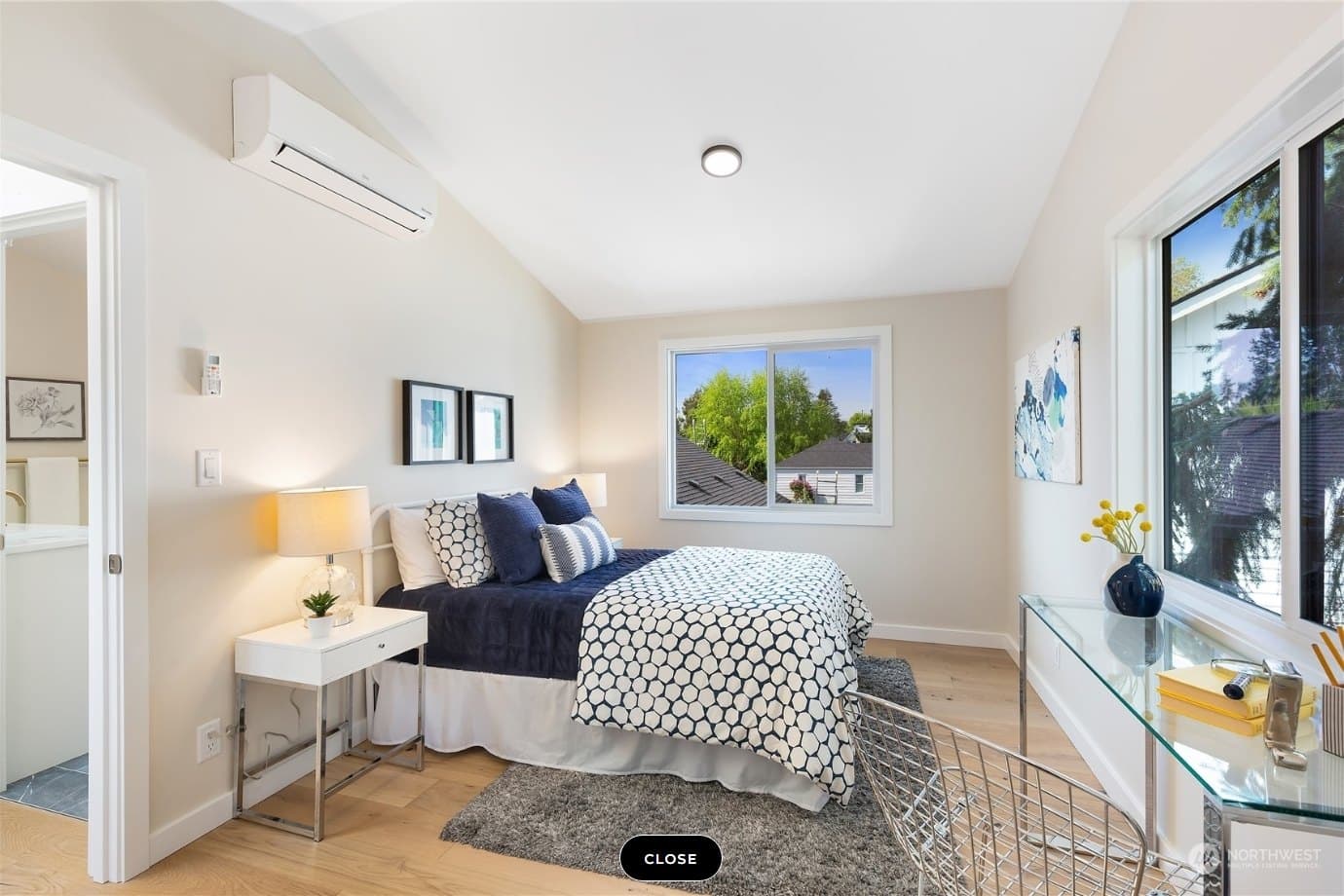
A home with a legal second unit appeals to buyers a plain house does not: people housing a parent or an adult child, people who want rental income to offset the mortgage, and people who simply want a separate office or guest space. Some buyers will not want a second unit — a few see a tenant as a complication — but on balance the pool widens rather than narrows, and a well-documented unit tends to sell the idea for you.
Appraisers: documentation decides everything
The first thing an appraiser establishes is whether the unit is legal and permitted. A permitted, inspected unit with a certificate of occupancy can be valued as living space and, where appropriate, as income. An unpermitted unit frequently cannot be counted at all — or is valued only as the storage shed it is legally considered to be — regardless of how finished it looks. This is the single largest factor, and it is decided during construction, not at sale. See every inspection your build goes through.
The second thing is method. Appraisers lean on comparable sales, and properties with a second unit are still less common than plain houses, so the comparables can be thin. Where the unit is rented, an income approach may inform the value. What this means in practice: the appraised uplift is usually real but is often less than what the unit cost to build, especially early. That is the honest version of the return question, and we go into it in is an ADU a good investment.
Lenders: the buyer's financing shapes your sale
Your buyer's lender will care about the same two things — legality and valuation — and some loan programs treat rental income from an accessory unit more generously than others. A buyer who can count part of the ADU rent toward qualifying can afford more house. Conversely, a lender that questions an unpermitted unit can stall a closing. Again, the paper trail from your build is what makes this smooth.
What to have in the folder
- The building permit and the final inspection record / certificate of occupancy.
- The approved plans, including the site plan.
- Utility documentation: separate meters if any, the side-sewer record.
- Any rental history, leases and income records if the unit was rented.
- Warranties, mechanical manuals and the contractor’s information.
- Insurance and tax records that show the unit was declared and covered.
A buyer who can see all of that in ten minutes is a buyer who is not discounting for uncertainty. Taxes are part of the picture too — how an ADU affects property taxes.
Can the unit be sold on its own?
Usually you are selling one property with two dwellings. Washington does allow a narrow route to separating them, and it is more involved than most people expect — see can you sell a DADU separately.
Design choices that help later
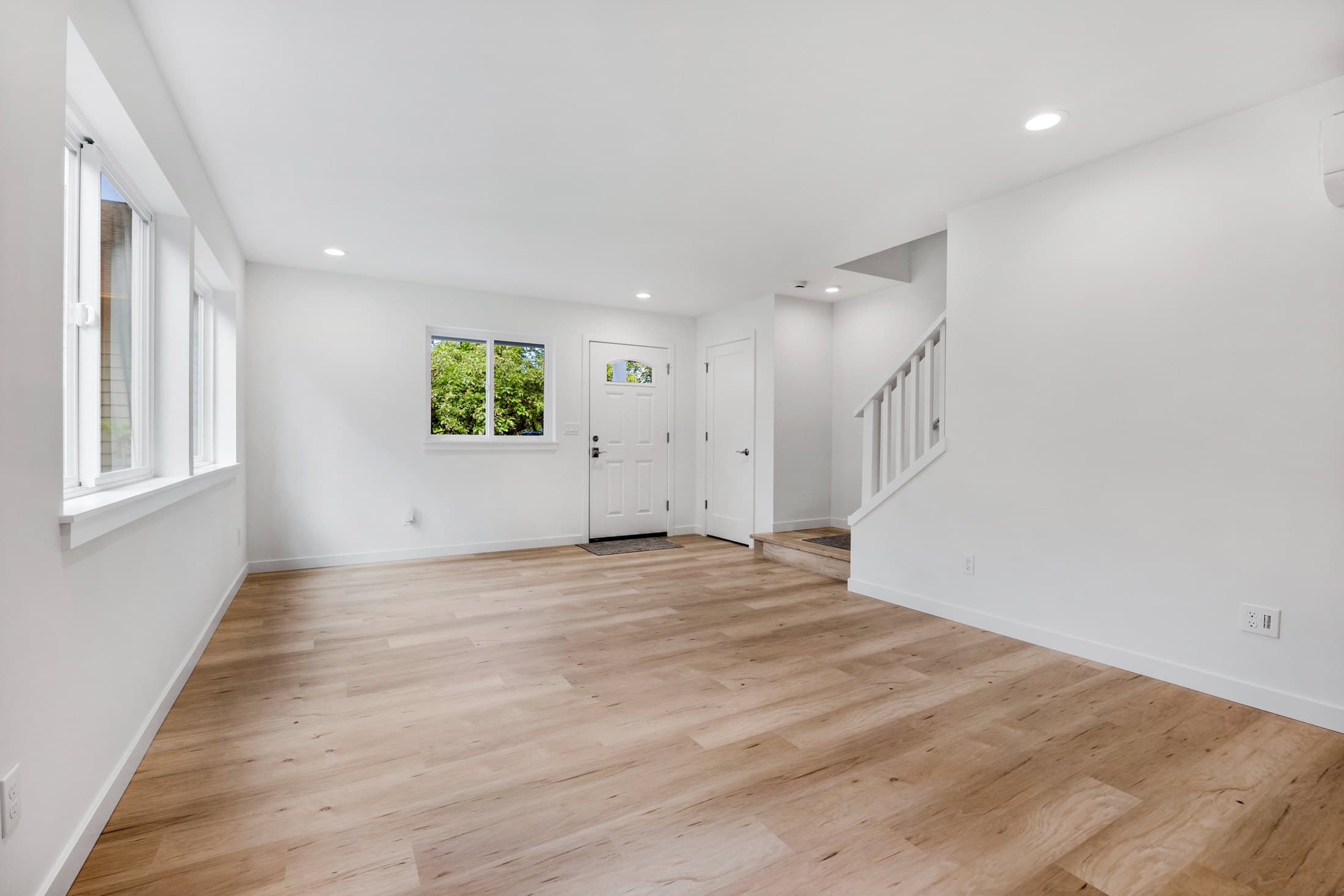
Separate entry and some privacy between the units, a layout that works for more than one kind of occupant, durable exterior materials, and the kind of accessible details that cost nothing at framing — see designing for aging in place. A unit that could be a rental, a parent's home or an office is a unit more buyers can picture using.
Build it so it counts
Everything above comes back to one thing: a permitted, inspected, documented build. That is what we deliver and hand over as a file, not just a set of keys. If you are weighing a unit partly for resale, read the downsides first, price it with the calculator, then send us your address.