DADU Inspections: Every Inspection Your Build Goes Through
By Eric Dexter, Owner & Builder ·
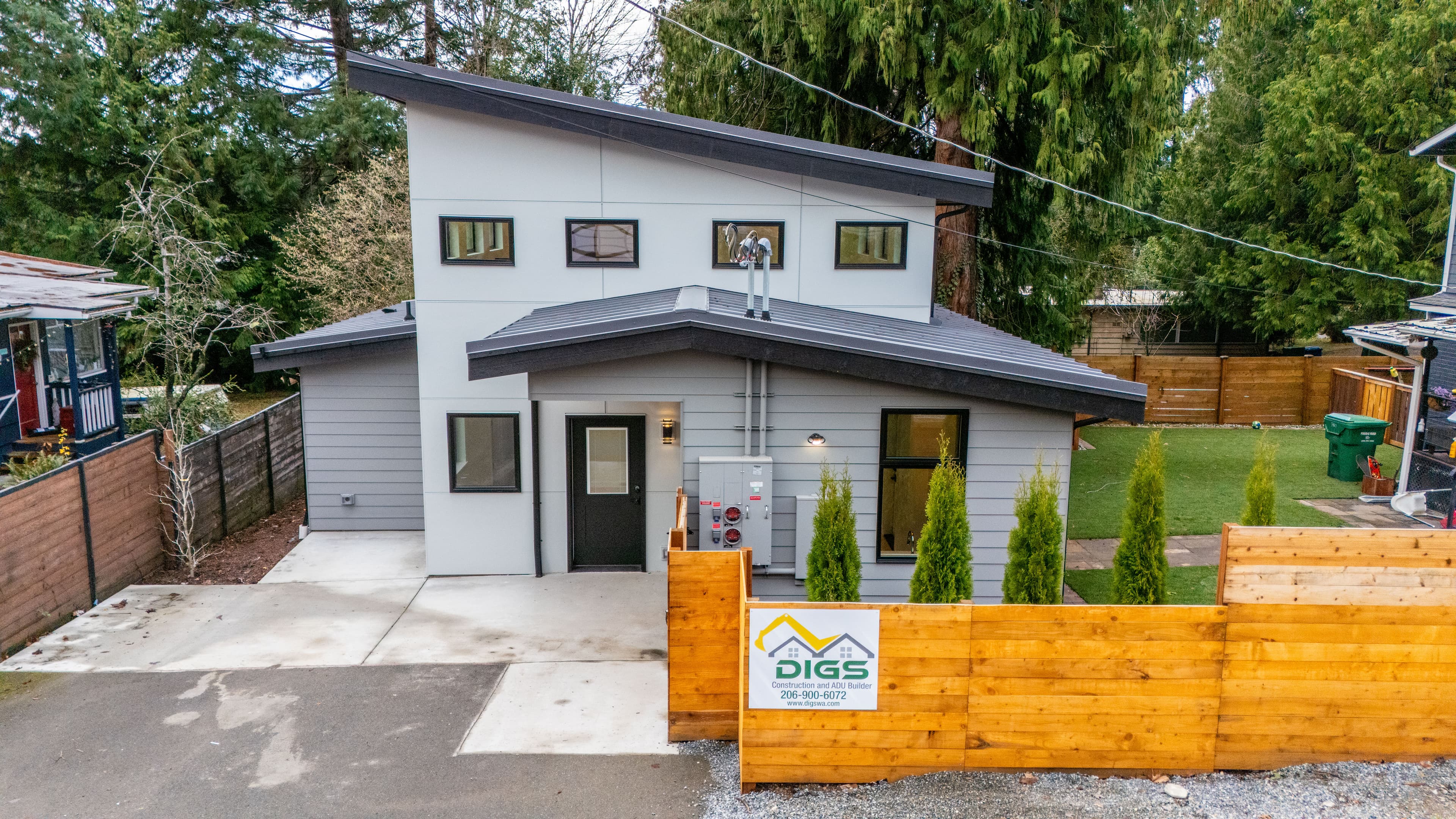
Homeowners tend to picture permitting as the hard part and inspections as a formality at the end. It's the other way around. A permitted DADU in the Seattle area is inspected at roughly a dozen checkpoints between the first shovel and the day you get keys, and each one is a hard stop — work can't legally continue past it until an inspector signs off.
After 100+ builds across King and Snohomish County, here's the sequence, what each inspector is actually looking at, and the places projects genuinely stall.
The inspection sequence, in order
Exact naming and grouping vary by jurisdiction, but a detached ADU in the Puget Sound region generally moves through these stages:
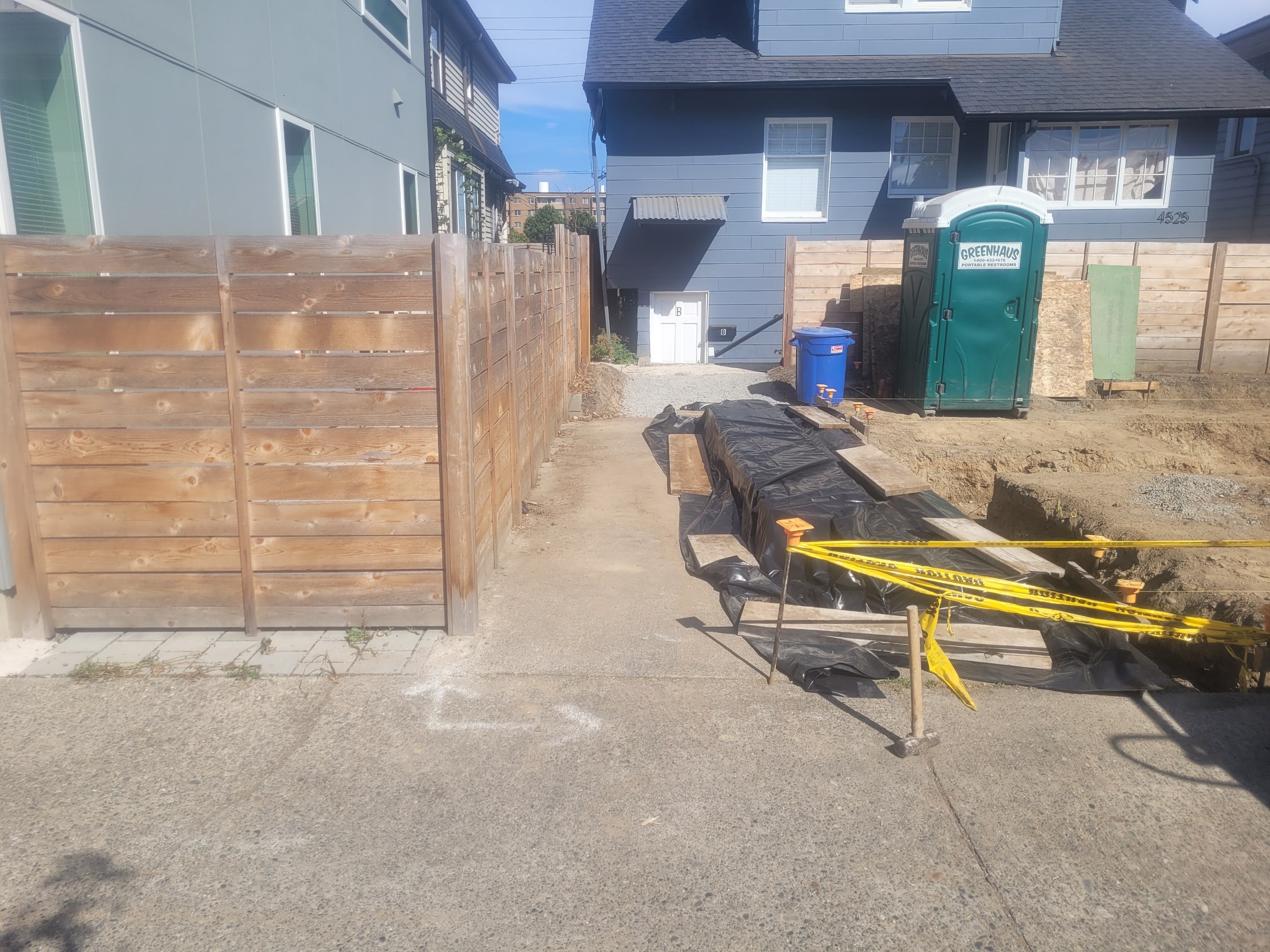
- Erosion control / pre-construction — silt fence, the construction entrance and drainage protection have to be in before ground is disturbed. Skipping this is one of the easiest ways to earn a stop-work notice on day one.
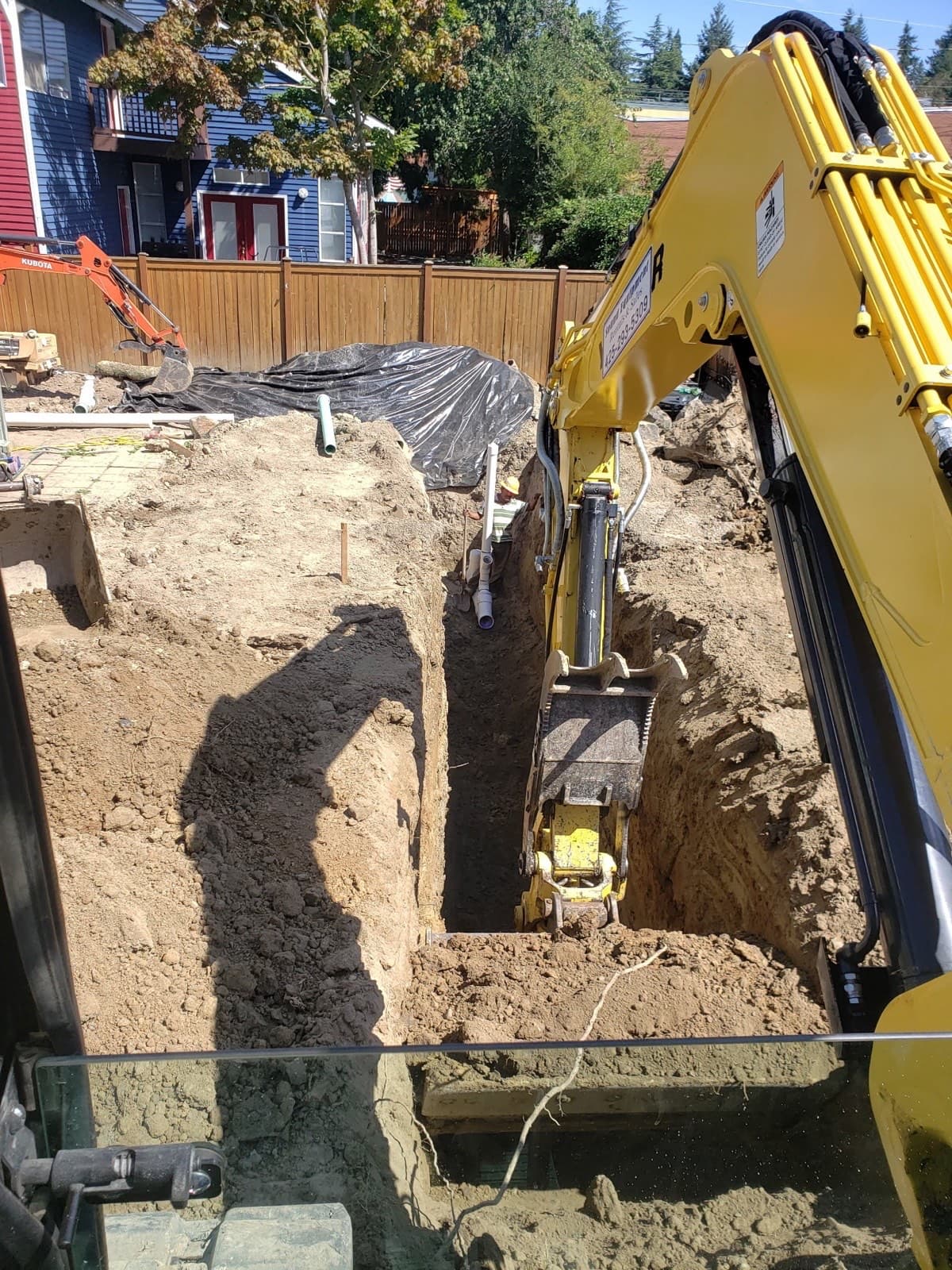
- Footing and setback — trenches dug, forms and rebar set, but before any concrete. The inspector is confirming depth, bearing soil, steel placement, and that the building actually sits where the approved site plan says it does.
- Foundation / stemwall — walls formed and reinforced prior to pour, plus anchor bolt and hold-down layout.
- Under-slab plumbing and utilities — everything buried under the slab gets looked at, usually under test, before it disappears.
- Drainage and backfill — footing drains, waterproofing and the drainage path off the lot.
- Rough-in: plumbing, mechanical, electrical — after framing is up and the building is weather-tight.
- Framing and shear — nailing patterns, hold-downs, straps, headers, blocking. Usually scheduled once roofing, windows and rough-ins are done so the inspector sees it all at once.
- Insulation and air sealing — the Washington State Energy Code checkpoint, before drywall covers it.
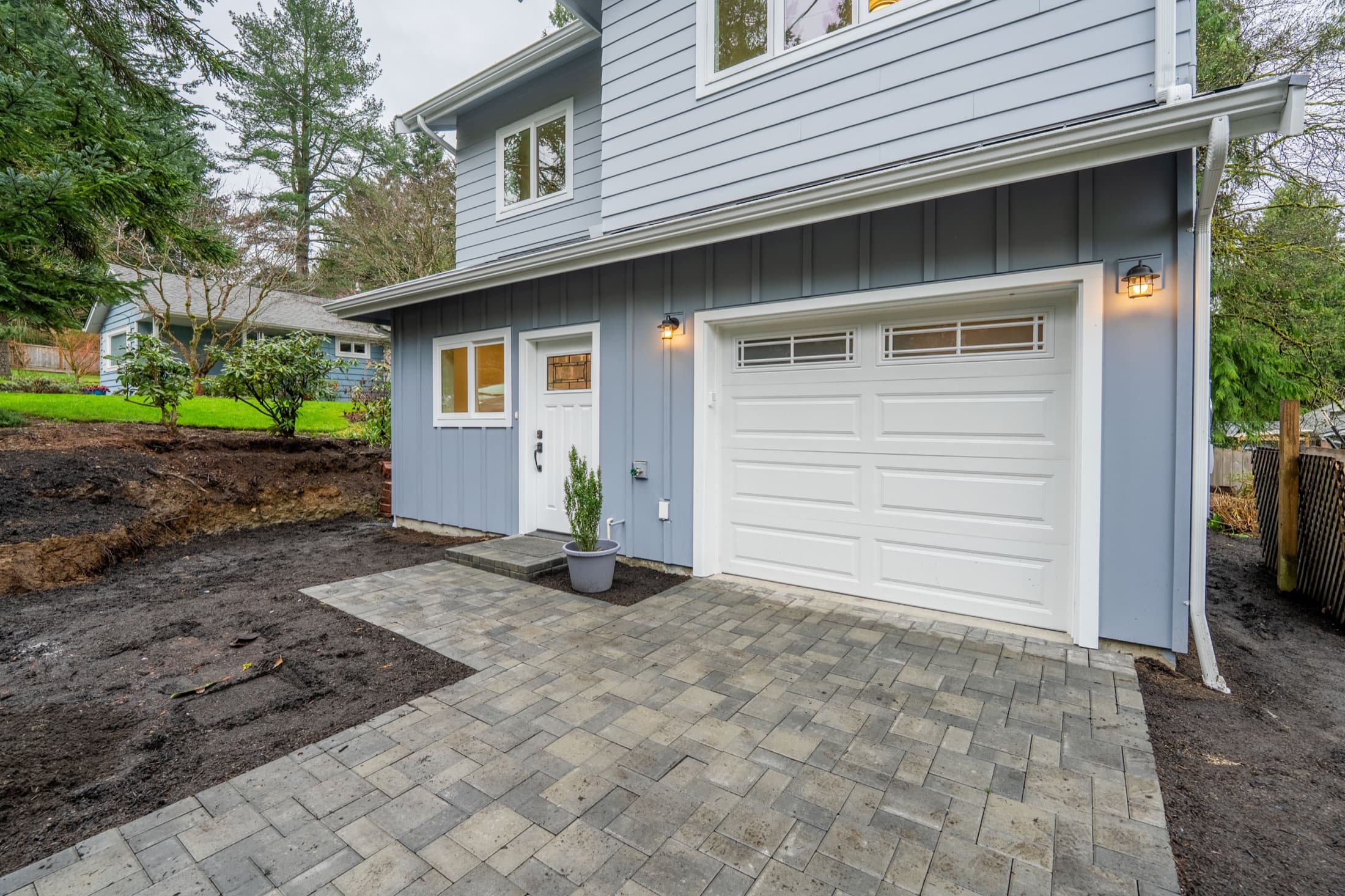
- Finals — final building, final plumbing, final mechanical, final electrical, plus any side sewer or utility finals, leading to the certificate of occupancy.
Electrical is usually a different agency
This one catches people out. In most of Washington, electrical permits and inspections are handled by the state Department of Labor & Industries rather than your city or county building department — a separate permit, a separate inspector and a separate schedule from the building inspections above. Some cities, Seattle among them, run their own electrical program instead. It varies by jurisdiction, so it's worth confirming which office covers your address before anyone schedules anything.
The practical consequence: your final building inspection typically can't close out until the electrical final has passed, and if those two are booked with two different agencies, one slow week can hold the certificate of occupancy hostage.
Where builds actually stall
Failed inspections are rarely dramatic. They're almost always one of these:
- The building isn't where the plan says. Setbacks on a DADU are tight, and a foundation off by a foot from the approved site plan is a very expensive correction. This is why the setback check happens before concrete.
- Something got covered too early. Insulation over un-inspected rough-in, backfill over un-inspected drains, drywall over un-inspected framing. The remedy is opening it back up.
- Field changes nobody revised. A relocated window or a moved beam that never made it back to the engineer means the inspector is comparing your building against a drawing that no longer matches it.
- Scheduling. Not a failure so much as a tax. Inspection slots are finite, and a crew standing around waiting for a re-inspection is the most avoidable cost on a job.
Why the inspection record matters later
A DADU that was permitted and inspected end to end has a paper trail — which is what an appraiser, a lender, an insurer and eventually a buyer all want to see. Unpermitted or partially inspected work is the single most common reason a backyard unit fails to count toward value at sale. If you're building partly for the return or planning to rent it out, the certificate of occupancy is the asset.
How this fits the overall timeline
Inspections aren't a separate phase — they're woven through construction, and their pacing is a real input into the 12–18 month timeline a typical DADU takes from first call to keys. Knowing the jurisdiction matters here: we build across a dozen cities in King and Snohomish County, and the difference between a smooth close-out and a six-week drag is usually just knowing how a given counter schedules and what its inspectors want to see.
We handle the whole inspection calendar
Every inspection above is ours to schedule, meet on site and pass — it isn't something we hand to you. That's part of what owner-led means here. If you want to know what the inspection path looks like for your specific lot and city, send us the address, or read the permit side of the process first.