What Are the Downsides of an ADU?
By Eric Dexter, Owner & Builder ·
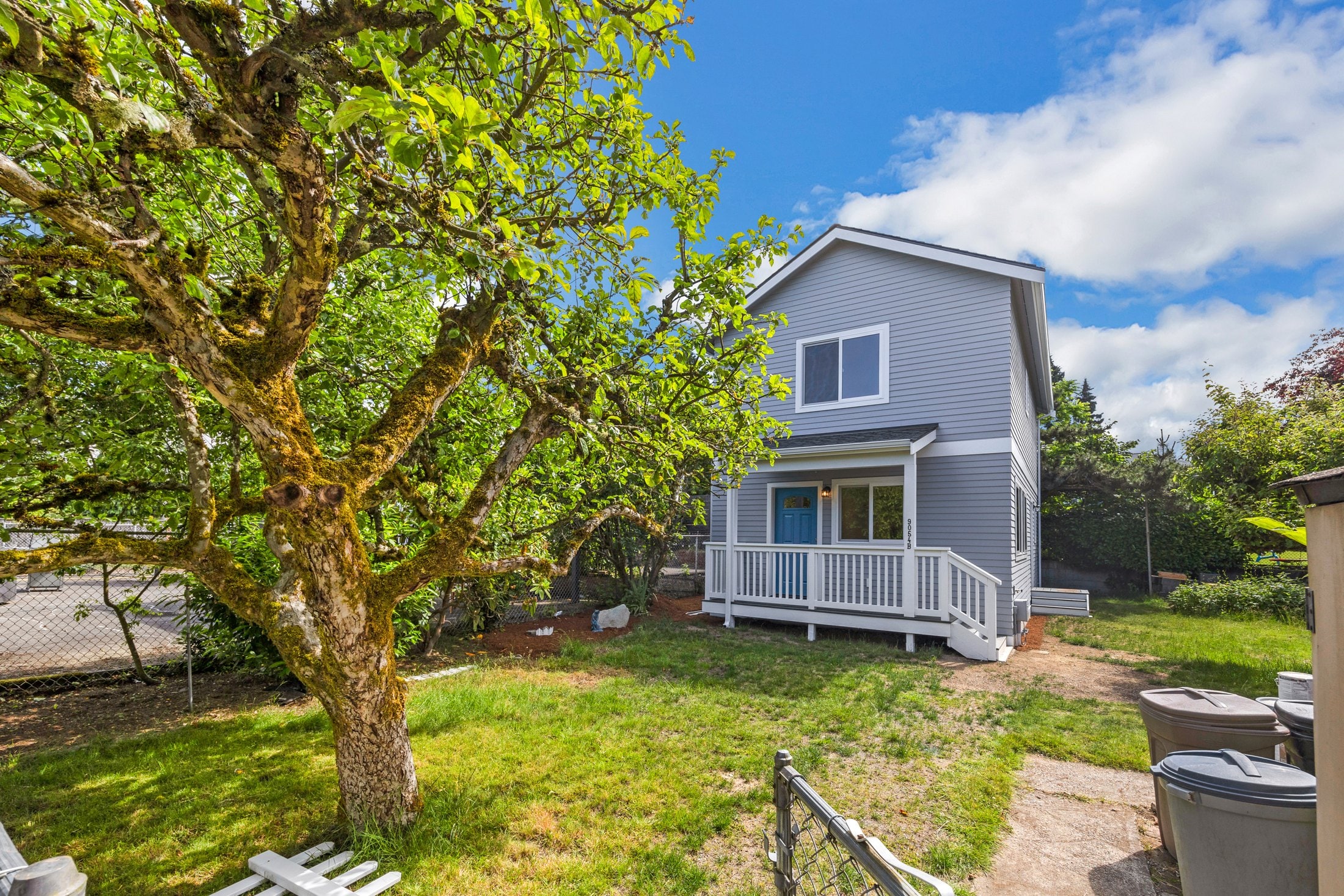
Almost every page written about backyard homes — including most of ours — leads with the upside. So here is the other side, from a builder who has completed 100+ of them and has talked plenty of people out of one.
None of these are reasons not to build. They are the things worth knowing before you spend money, and each one rules out a different kind of owner.
1. The cost per square foot is high
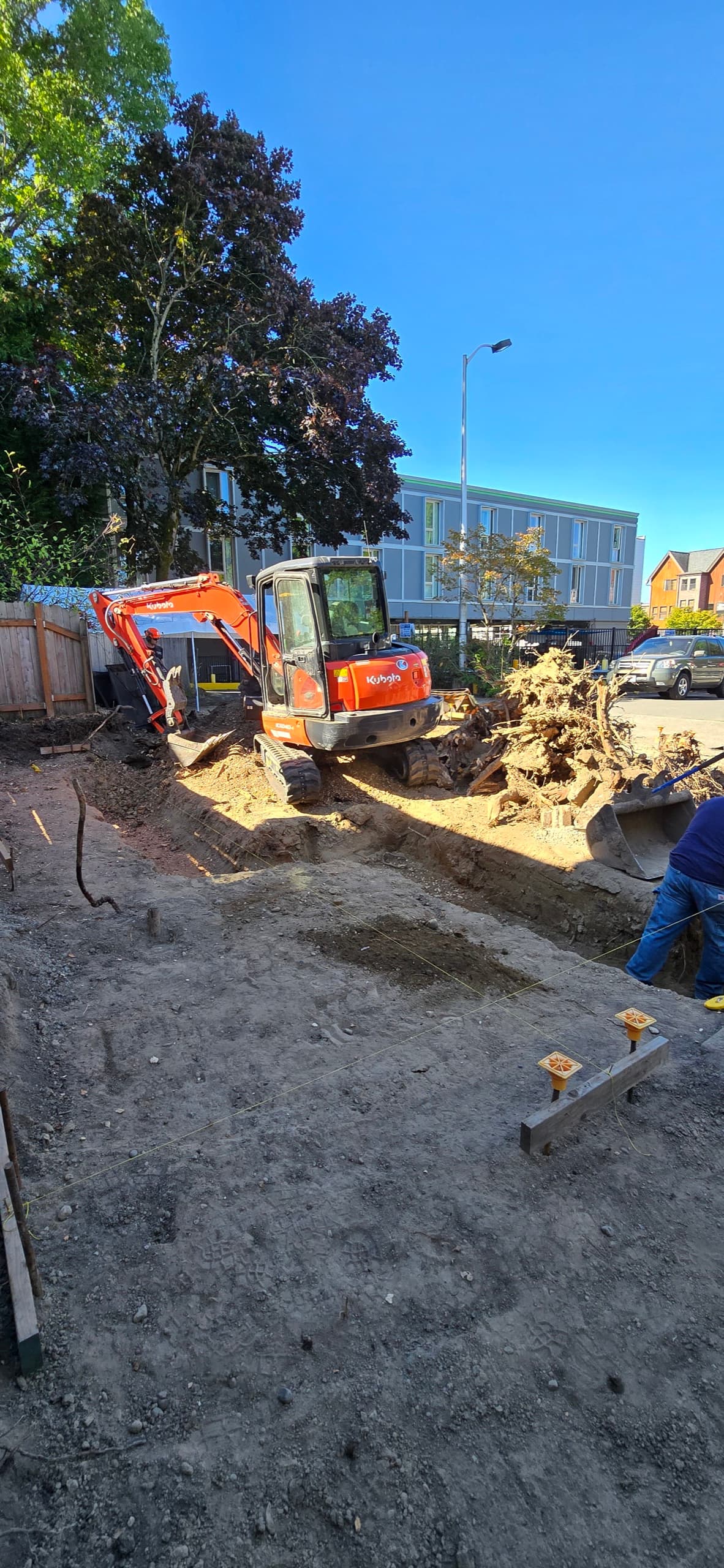
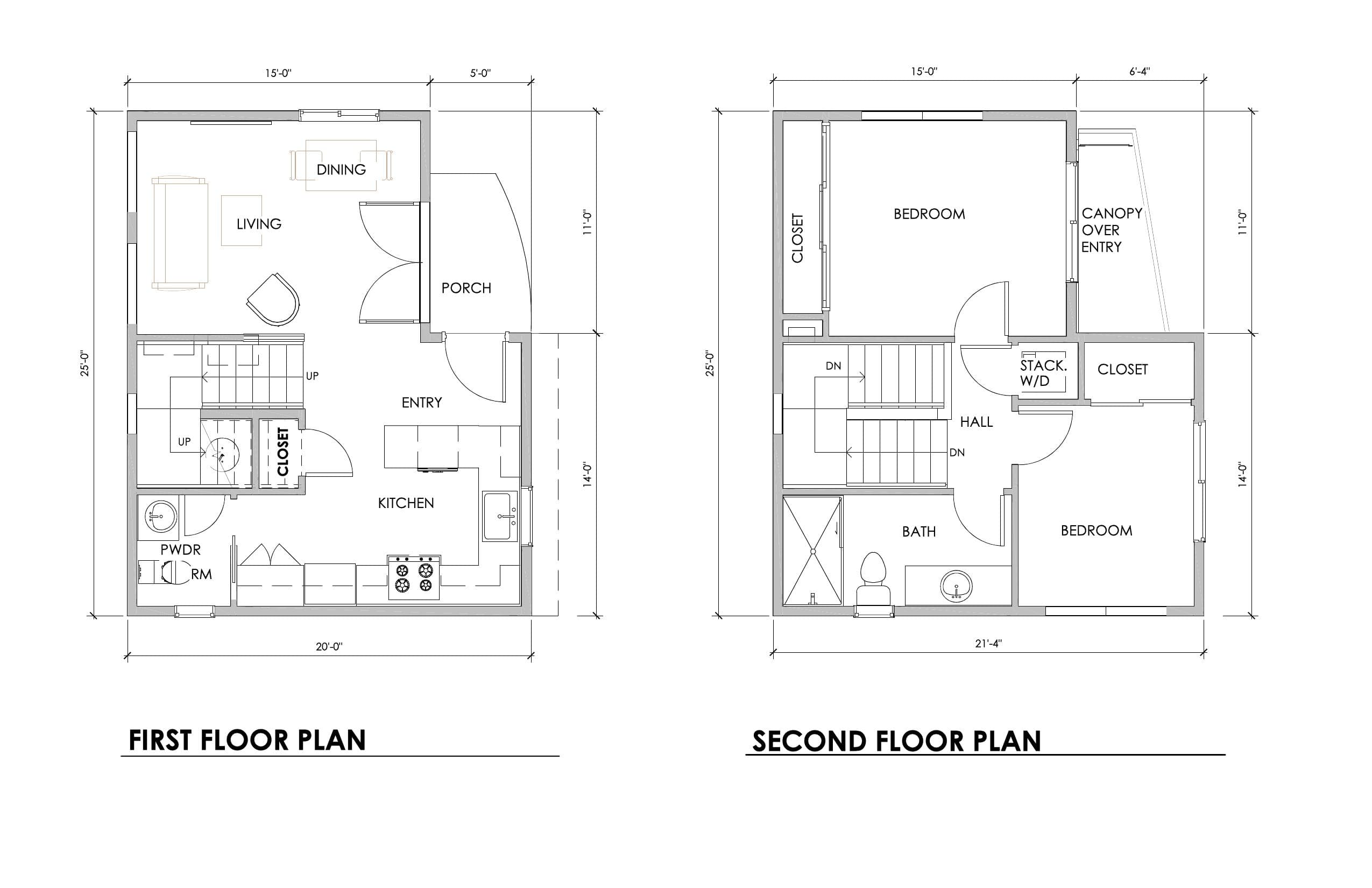
This surprises people more than the total. A 700 sq ft DADU costs far more per square foot than a 2,500 sq ft house, because a small building still needs a full kitchen, a full bathroom, a foundation, a roof, and its own utility connections. Those costs are close to fixed, and they get spread across very little floor area.
Building smaller lowers your total but raises your per-foot number. The real ranges are on realistic costs, and the cost calculator will bracket your specific build.
2. You are giving up yard
A detached unit, the setbacks around it, and the path and utility trenches to reach it consume real backyard. On a typical Seattle lot that can be most of the usable open space. If your yard is the reason you love the property, this is the downside that matters most, and no amount of design cleverness removes it.
3. It takes 12 to 18 months
Design, permitting and construction together generally run a year or more, and permitting is the part you have the least control over. If you need housing for a family member on a three-month horizon, a DADU is the wrong tool. We lay the phases out in how long it takes to build a DADU.
4. Site work is where budgets actually break
The building is predictable. The ground is not. A long sewer run, a steep slope, poor soil, a high water table, a critical area or a protected tree can each add cost that has nothing to do with the home you end up with. This is why we push feasibility before design — see building on a sloped or difficult lot and how utility connections work.
5. Financing is harder than a mortgage
You are borrowing against a building that does not exist yet, and the rental income it will eventually produce usually cannot be counted until it does. That pushes most owners toward home equity, a cash-out refinance or a construction loan, each with its own friction. We walk through the options in financing an ADU.
6. Your property taxes go up
A new unit adds assessed value, and that shows up on your tax bill. Washington offers a temporary exemption on the improvement, but it has to be claimed before the unit is finished — miss the window and you simply pay. The mechanics are in does building an ADU raise your property taxes.
7. Renting it out is a real job
An ADU that pays for itself is an ADU with a tenant twenty feet from your kitchen window. That means screening, maintenance calls, turnover, and Washington landlord-tenant obligations — and a neighbor you cannot get away from if the fit is wrong. Some owners love it. Some discover a year in that they wanted a guest house, not a rental. See renting out your ADU.
8. You usually cannot sell it separately
An ADU adds value to your property, but it is not a second property you can list on its own. Washington does allow one route to separate sale, and it is narrower and more involved than most people expect — can you sell a DADU separately covers it. Plan on the value showing up when you sell the whole property, not before.
9. Permitting is genuinely uncertain at the start
Until someone checks your lot against your jurisdiction's code, nobody can tell you what you are allowed to build. Coverage, setbacks, height, trees, critical areas and utility capacity all interact, and the answer differs between cities that are ten minutes apart. That uncertainty is front-loaded, which is uncomfortable, but it is also cheap to resolve — see can I build an ADU on my lot.
So who should not build one?
- Anyone who needs the space within a few months.
- Anyone whose backyard is the main reason they bought the house.
- Anyone counting on selling the unit separately to make the numbers work.
- Anyone who wants the rental income but not the landlord role — the income assumes a tenant.
- Anyone without a realistic path to funding the whole build, including a site-work contingency.
And who should? Owners with a lot that works, a 12–18 month horizon, a clear use — family, rental, or eventually downsizing into it themselves — and a builder who tells them the site conditions before the design instead of after.
Find out which one you are
A feasibility study answers most of the above for your specific address in a couple of weeks, and it is far cheaper than discovering the answer mid-build. Send us your address and we will tell you honestly whether your lot is a good candidate — including when it is not. The ADU & DADU FAQ covers the rest.