Should You Start an ADU Project in Winter?
By Eric Dexter, Owner & Builder ·
Every October we get the same call: we're interested, but we'll wait until spring. It feels sensible. It usually costs a full year.
Here is why, and an honest account of what winter actually does and doesn't do to a build in this climate.
Permitting is the long pole, and it runs all winter
Design, engineering and permitting generally take several months before anyone touches the ground — and none of it is weather-dependent. Plan review queues do not close for the season.
So the question is not really “should we build in winter.” It is when do you want to break ground. If the answer is spring, the design and permit work has to be happening now. Start in April instead and you are realistically excavating late in the year or the following spring. That is the whole mechanism, and it is laid out phase by phase in how long it takes to build a DADU.
What winter genuinely makes harder
Not nothing — this is the Pacific Northwest and the ground is the problem:
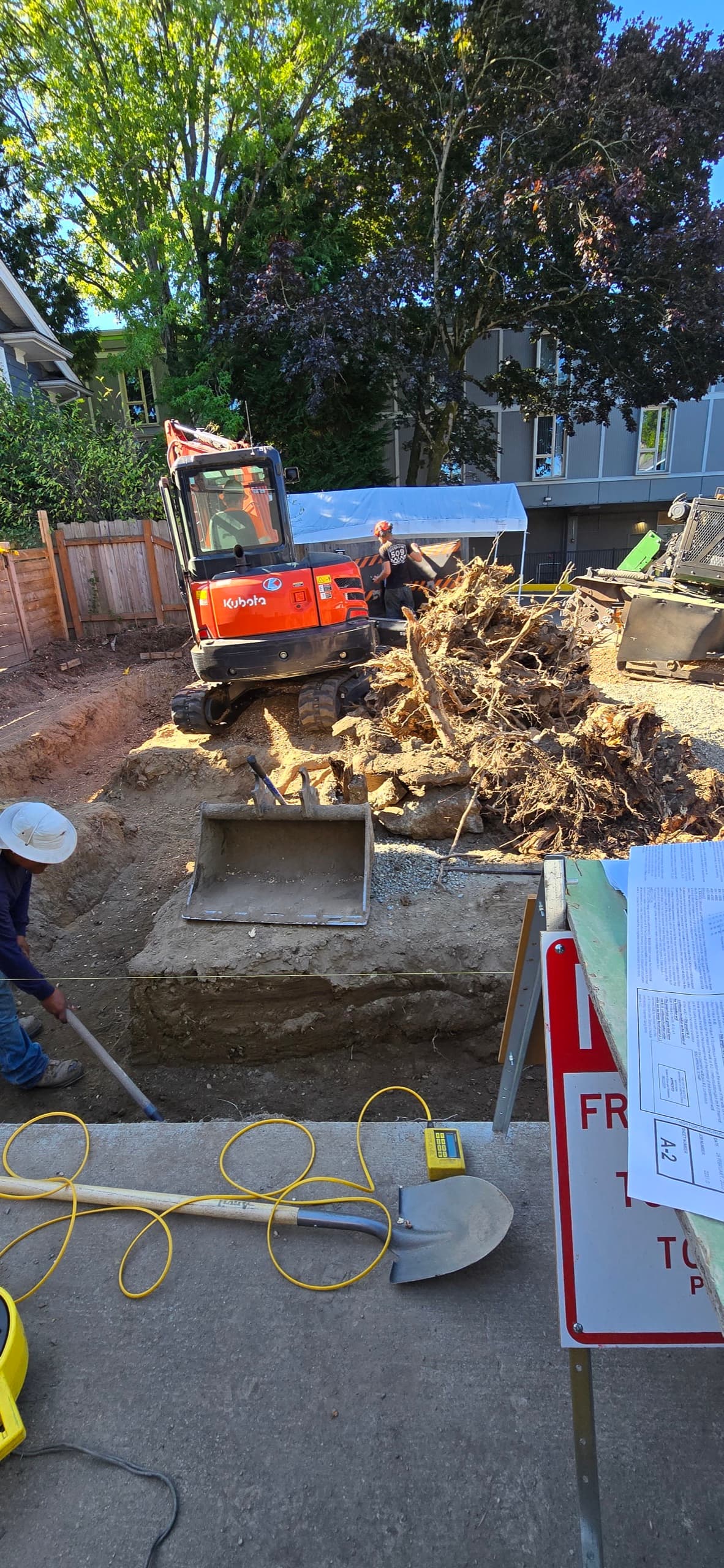
- Saturated soil. Wet ground is heavier to move, harder to compact, and more likely to rut under machines. Excavation and grading are slower and can cost more.
- Wet-season erosion control. Many Washington jurisdictions designate a wet season — commonly around October through April — with stricter temporary erosion and sediment control requirements. More cover, more inspection, more to maintain. Confirm the dates and rules for your jurisdiction.
- Cold-weather concrete. Entirely routine with the right mix, blankets and timing, but it has to be planned rather than improvised.
- Short days. Fewer usable daylight hours on site through midwinter.
All of that lands on the site work phase — which is exactly the phase you are not in yet if you start the paperwork now.
And what winter barely touches
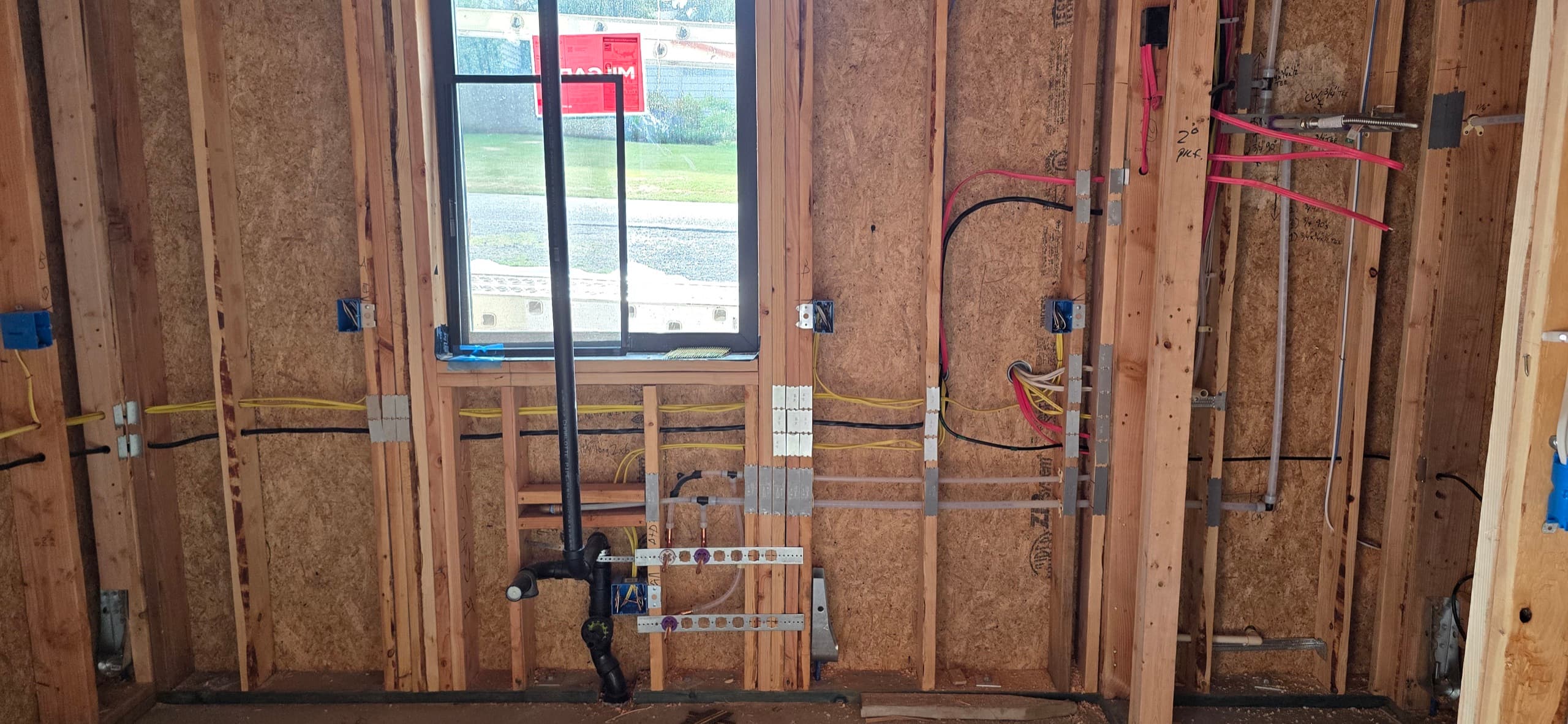
Once a building is framed and dried in — roof on, windows in, wrapped — the interior work carries on regardless of weather. Insulation, drywall, mechanical, cabinetry and finishes are indoor trades. A large share of any ADU build is genuinely season-neutral.
The sequence that actually works here
- Autumn and winter: feasibility, design, engineering, permit submittal and corrections.
- Spring: permits in hand, dry-ish ground, excavation and foundation.
- Summer: framing and dry-in, while the weather is on your side.
- Autumn and winter: interior trades, under a roof.
That lines the two weather-sensitive phases up with the two best months for them, and it only happens if the paperwork started the previous autumn. Waiting for spring to begin pushes excavation into the following autumn — the worst possible place to put it.
One more thing in winter's favour
Builder calendars are generally more open in the off-season than they are in May. Starting design now usually means more of our attention on your project, not less.
Start the clock, not the digging
Nothing about starting now commits you to a machine in a muddy backyard in January. It commits you to knowing what your lot allows and having a permit when the ground dries out. Begin with can I build an ADU on my lot, price it with the cost calculator, or send us your address and we'll tell you what a spring groundbreaking would require.