
Do You Need a Permit to Build a DADU in Seattle?
By Eric Dexter, Owner & Builder ·
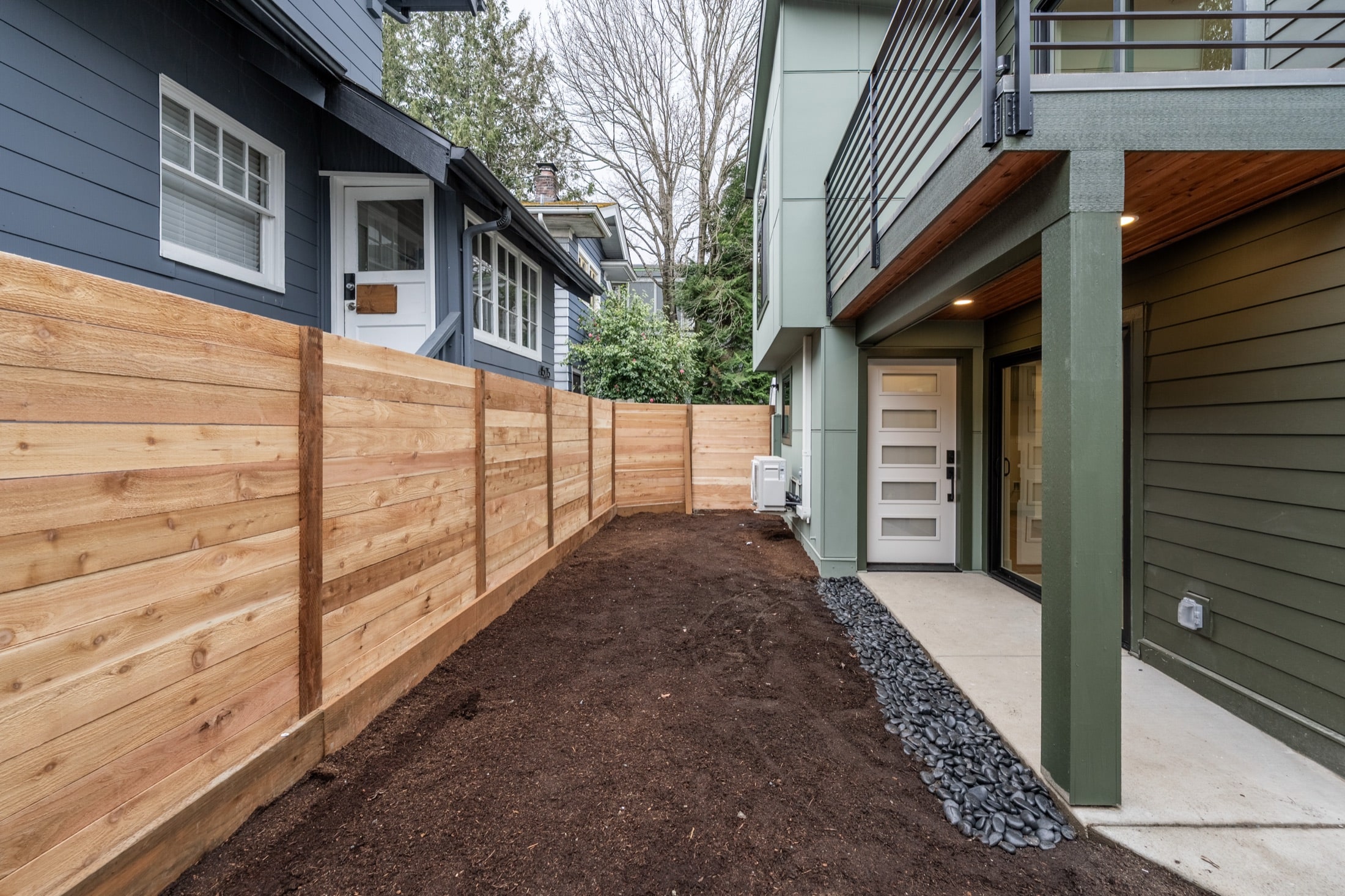
Yes — building a DADU in Seattle always requires permits. A backyard cottage is a full dwelling with its own foundation, plumbing and electrical, so it goes through the same permitting system as any new structure. The good news: the rules are more DADU-friendly than they used to be, and a builder handles the process for you. Here's what's actually involved.
Which permits does a DADU need?
A typical Seattle DADU touches several permits, not just one. Exactly which apply depends on your lot, but the common ones are:
- Building permit — the core approval covering structure, framing, energy code and inspections.
- Land use / zoning review — confirms the DADU meets setbacks, height, lot-coverage and size limits.
- Side-sewer & drainage — how the unit connects to sewer and manages stormwater on site.
- Electrical permit — for the unit's new service and wiring.
- Critical-area review — only if your lot has an Environmental Critical Area such as a steep slope.
Can you build a DADU on your lot?
Most standard single-family lots in Seattle can accommodate a DADU. Since the city's 2019 ADU reforms, many lots can have up to two accessory units — for example one attached ADU plus one detached DADU — and the old owner-occupancy and parking requirements were removed — part of a broader shift you can read about in Washington's ADU laws. Seattle currently allows a DADU up to 1,000 square feet (garage and storage generally excluded), subject to height and lot-coverage limits that vary by zone. Whether your lot qualifies comes down to size, setbacks, tree rules and any critical areas — which is what a feasibility study confirms. We cover the common questions in our ADU & DADU FAQ.
How long does DADU permitting take?
Plan for several months. Design and drawings come first, then the permit application goes into review — and review times vary by jurisdiction and workload. Across the full project, design and permitting typically run a few months before construction begins, and the build itself is roughly six to nine months. If you're mapping out timing, our process page lays out the full sequence.
Difficult lots and Environmental Critical Areas
Environmental Critical Areas (ECAs) — steep slopes, landslide- or flood-prone ground, wetlands — add permitting steps and can raise site-development costs significantly. Catching them early is one of the biggest ways to avoid budget surprises, which is why we recommend a feasibility study before you commit. See how site conditions move the budget on our realistic costs page, or estimate your own with the ADU cost calculator.
How DIGS handles permitting for you
You don't have to navigate any of this alone. DIGS manages the full permitting process — drawings, applications, corrections and inspections — as part of the build, so your project stays on track from feasibility through final sign-off. New to the difference between unit types? Start with ADU vs DADU, then reach out and we'll check what your lot allows.


