What Is the Cheapest Way to Build an ADU?
By Eric Dexter, Owner & Builder ·
There is a real answer to this, and it is not a brand or a product. The cheapest ADU is the one that asks the least of your site and the least of your trades — and most of that is decided before anyone draws anything.
Here is what genuinely lowers the number, in rough order of impact, and the handful of things that cost far more when you cut them.
1. Build the smallest unit that actually works
Square footage is the single biggest lever on total cost. But be careful how you use it: a one-bedroom is meaningfully cheaper than a two-bedroom, while going from 700 to 600 sq ft saves much less than people expect, because you still have one kitchen and one bathroom either way.
The efficient move is fewer rooms, not smaller rooms. Size and layout tradeoffs are covered in choosing the right size and layout.
2. Keep the shape simple
A plain rectangle with a simple roof is the cheapest building to frame, sheathe, flash and side. Every corner, dormer, bump-out and roof plane adds labor, material and places for water to get in. Two buildings of identical square footage can differ substantially in cost purely on geometry.
3. Consider converting instead of building new
If you already have a basement with adequate ceiling height, or a solid garage, converting is usually cheaper than new detached construction — you inherit a foundation, a roof and walls. It is not automatic: egress, ceiling height, moisture, insulation and separate utilities all have to be solved, and sometimes the fixes cost more than building fresh.
We compare both paths in basement conversions and garage conversion vs. detached ADU.
4. Start from a plan that already exists
Custom design is worth paying for when the lot demands it. When it does not, a pre-drawn plan — or, in Seattle, a pre-approved one — saves design fees and permit time. See Seattle's pre-approved DADU plans and pre-designed vs. custom ADU plans, or browse the plans we build most often.
5. Pick the easy part of the yard
This is the lever most people never think about, and on hard sites it beats every other item on this list. Siting the unit close to existing utilities, on flat ground, away from protected trees and critical areas, and where a machine can physically reach, can swing the budget more than finishes ever will. Every extra foot of trench and every tight-access day is real money.
6. Spend normally on finishes
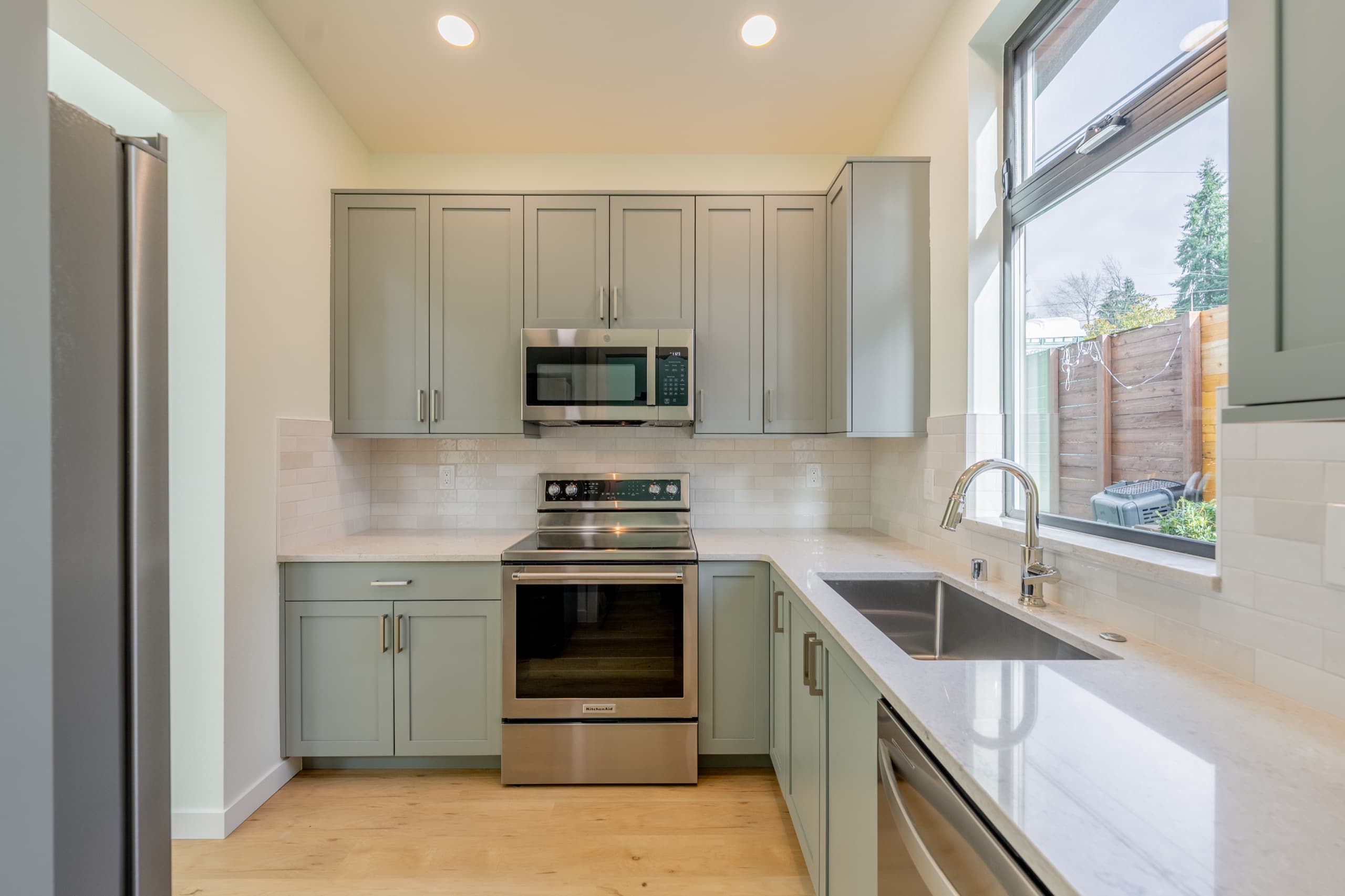
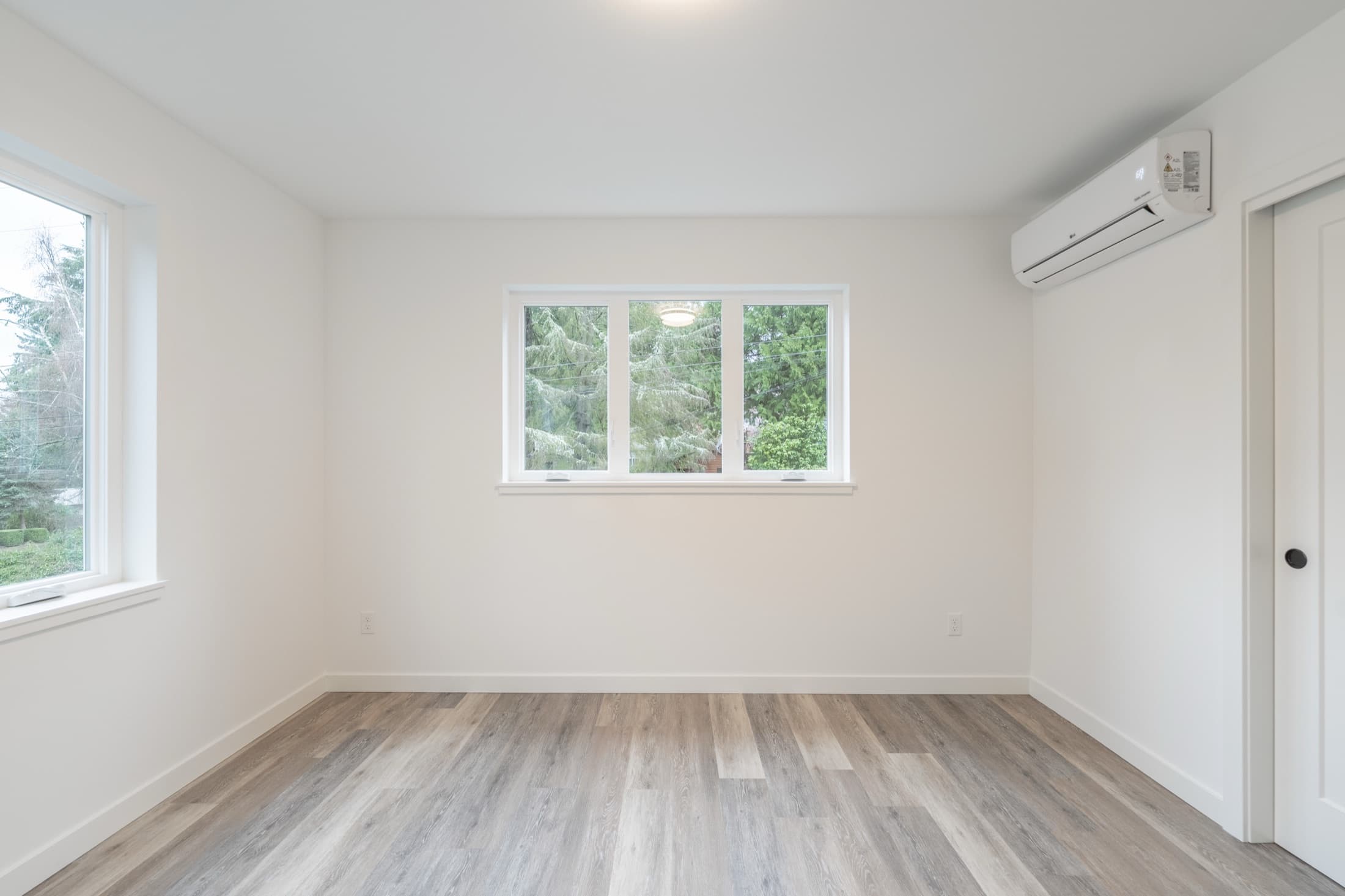
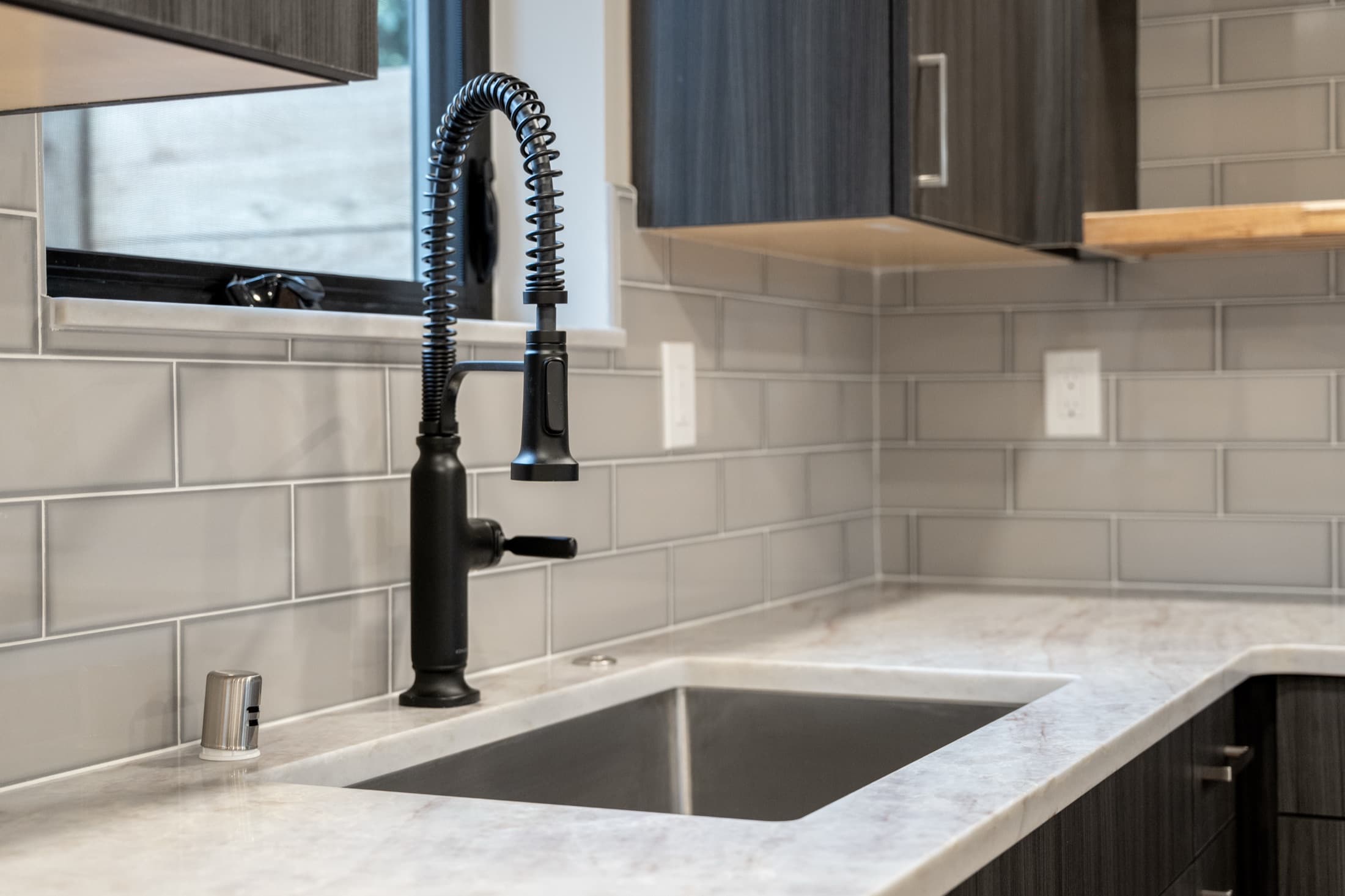
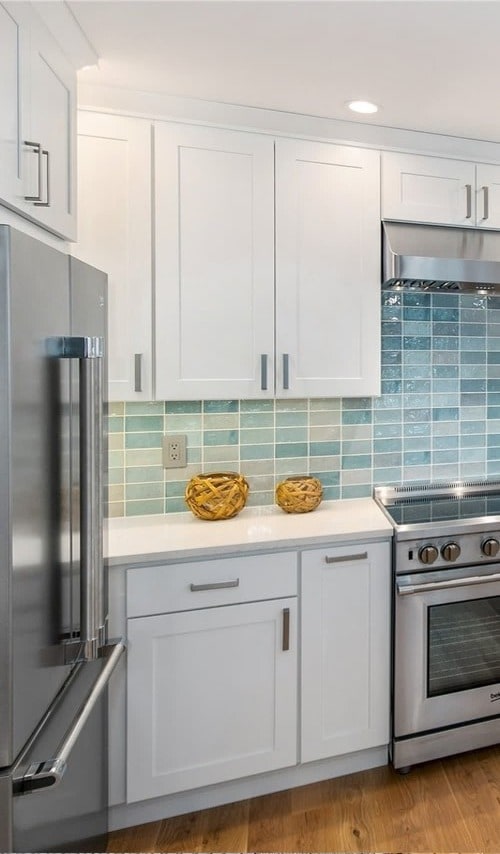
Standard cabinets, standard fixtures, standard flooring, standard windows. Finishes are the most visible line item and the easiest to talk yourself up on, but they are a modest share of an ADU budget compared to structure and site work. Choosing mid-grade here is the least painful saving available, and it is reversible later.
What not to cut
Four things cost dramatically more to fix than to do properly:
- The foundation and drainage. In the Pacific Northwest, water is the thing that destroys buildings. You cannot get back under a finished unit cheaply.
- The building envelope. Flashing, weather barrier, insulation and air sealing. Invisible when right, ruinous when wrong, and buried behind finishes either way.
- Permits and inspections. Unpermitted work is the most common reason a backyard unit fails to count at appraisal or sale — the saving is borrowed against your own equity. See the inspections a permitted build goes through.
- The feasibility work up front. Skipping it does not remove site problems, it just relocates them to the middle of construction, where they cost several times more.
The saving that is usually fake
A bid that is meaningfully below every other bid is rarely a better price. It is usually a narrower scope — site work, utility connections, permit fees or finish allowances left out — and the difference reappears as change orders. Compare what is included, not the bottom line. That is most of what choosing an ADU contractor is about, and it is why we quote all-in.
Get a real number for your lot
Run your size and finish level through the ADU cost calculator for a range, read the honest breakdown on realistic costs, and when you want the number for your actual address, send it to us.