How Big Can a DADU Be in Seattle?
By Eric Dexter, Owner & Builder ·
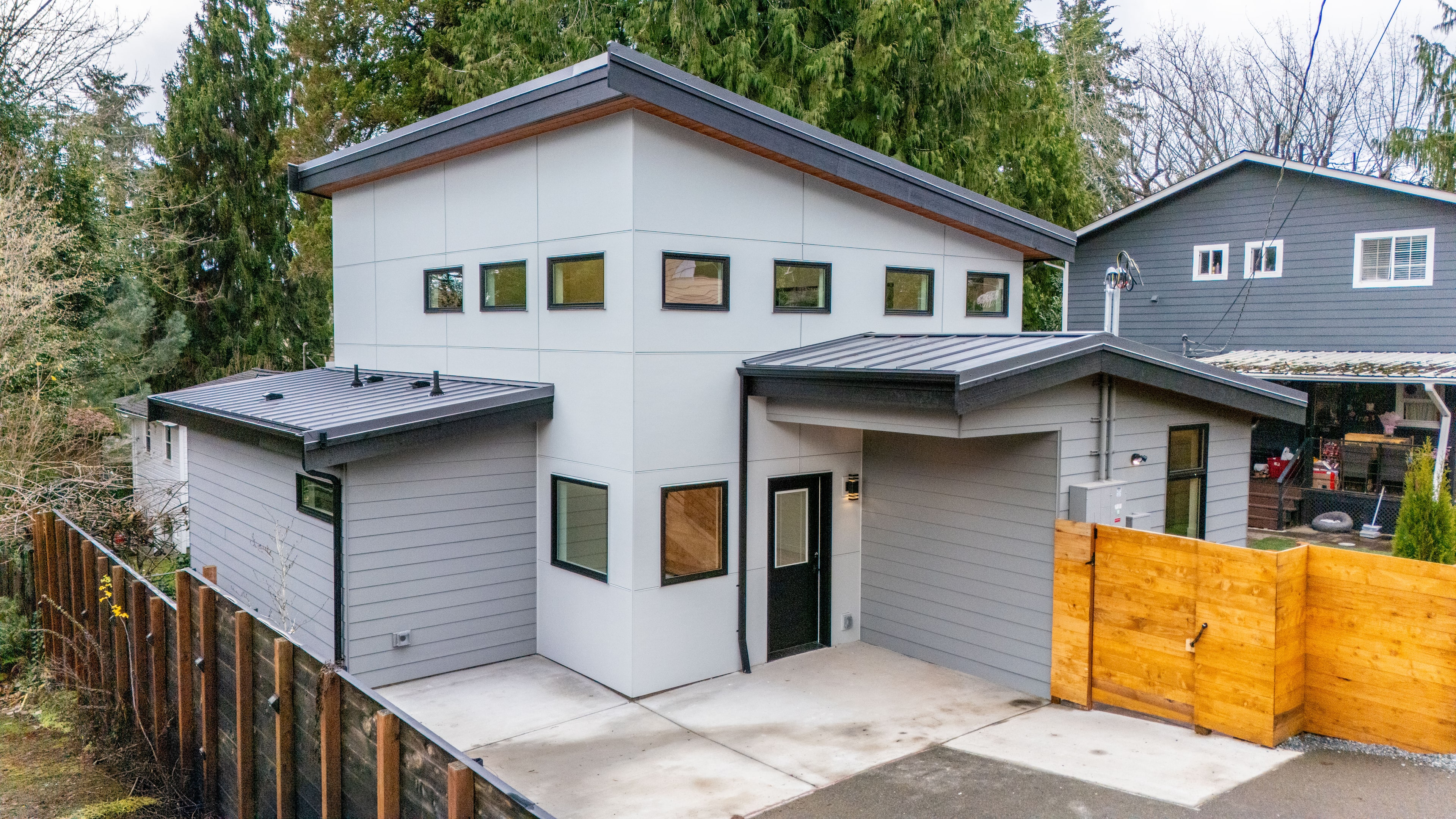
In Seattle, a DADU can be up to 1,000 square feet, in every zone where accessory dwelling units are allowed. You can have two ADUs per lot in addition to your primary home, and a detached unit can reach 32 feet in most Neighborhood Residential zones.
Those are the headline numbers. The more useful answer is that square footage is rarely what limits a backyard cottage — setbacks, lot coverage and trees usually bind first. Here's how the envelope actually gets decided.
What the current ordinance allows
Seattle's middle housing ordinance took effect June 30, 2025, and it rewrote the accessory dwelling unit standards in SMC 23.42.022. The changes that matter to a homeowner planning a backyard build:
- A 1,000 sq ft maximum for ADUs across all zones where they are allowed.
- Two ADUs per lot permitted in addition to the primary unit, on all lots.
- Height up to 32 feet in most Neighborhood Residential zones, including for a rear-yard unit, and higher in Lowrise zones.
- ADU setback and height standards no more restrictive than those applied to the primary home.
- Increased lot coverage allowances.
- Up to four units on a lot — six near frequent transit or with affordable units — though only two of them may be ADUs.
- Detached, attached and stacked flat configurations all permitted.
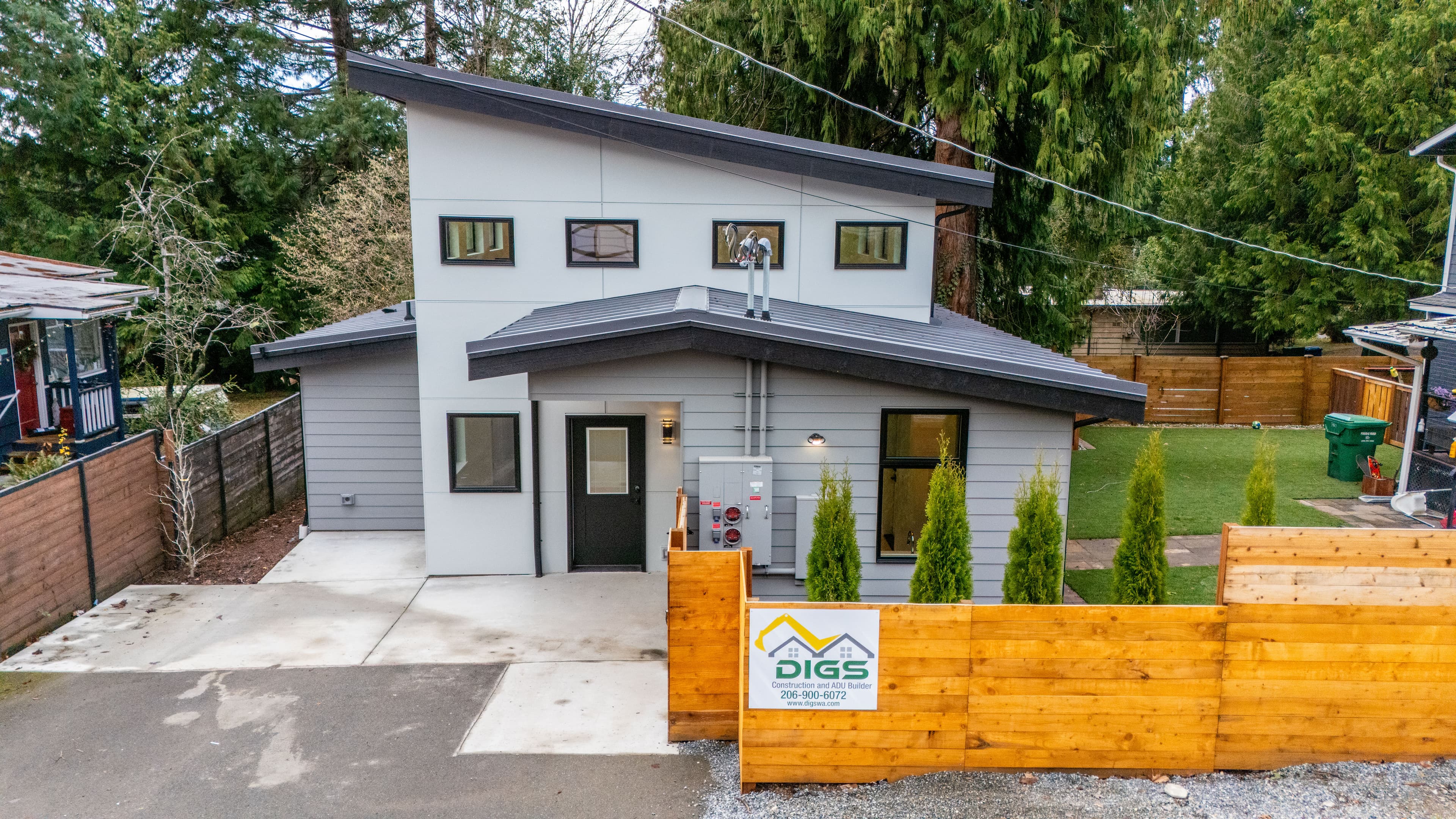
That combination is a genuine shift. A 1,000 sq ft detached unit at 32 feet is a two-storey cottage with room for two real bedrooms, not a studio over a garage. It also means the constraint most homeowners assume they're fighting — “can I fit enough square feet?” — is usually not the one that decides their project.
What actually limits the building
The 1,000 sq ft cap is a ceiling. Your buildable envelope is the floor and the walls, and it comes from the standards applied to the lot as a whole.
Setbacks
In Neighborhood Residential zones, SDCI's summary of the standards runs roughly: 15 feet in front for one to two units and 10 feet for three or more; side setbacks of 5 feet average with a 3-foot minimum, reduced to 3 feet in frequent-transit areas; and rear setbacks of 15 feet for one to two units, 10 feet for three or more, dropping to zero where the lot abuts an alley.
An alley is the single biggest variable in that list. A rear setback of zero against an alley versus 15 feet against a neighbor is the difference between a comfortable footprint and a squeezed one on a standard 5,000 sq ft lot. It's the first thing we look at when someone sends an address.
Lot coverage
Neighborhood Residential lot coverage generally runs to 50%, and an ADU counts toward it, along with density and floor area limits. Your existing house, garage, and any covered areas are already consuming that budget. On a lot with a large footprint house, coverage — not the 1,000 sq ft cap — is what sets the size of the cottage you can build.
Trees, slopes and drainage
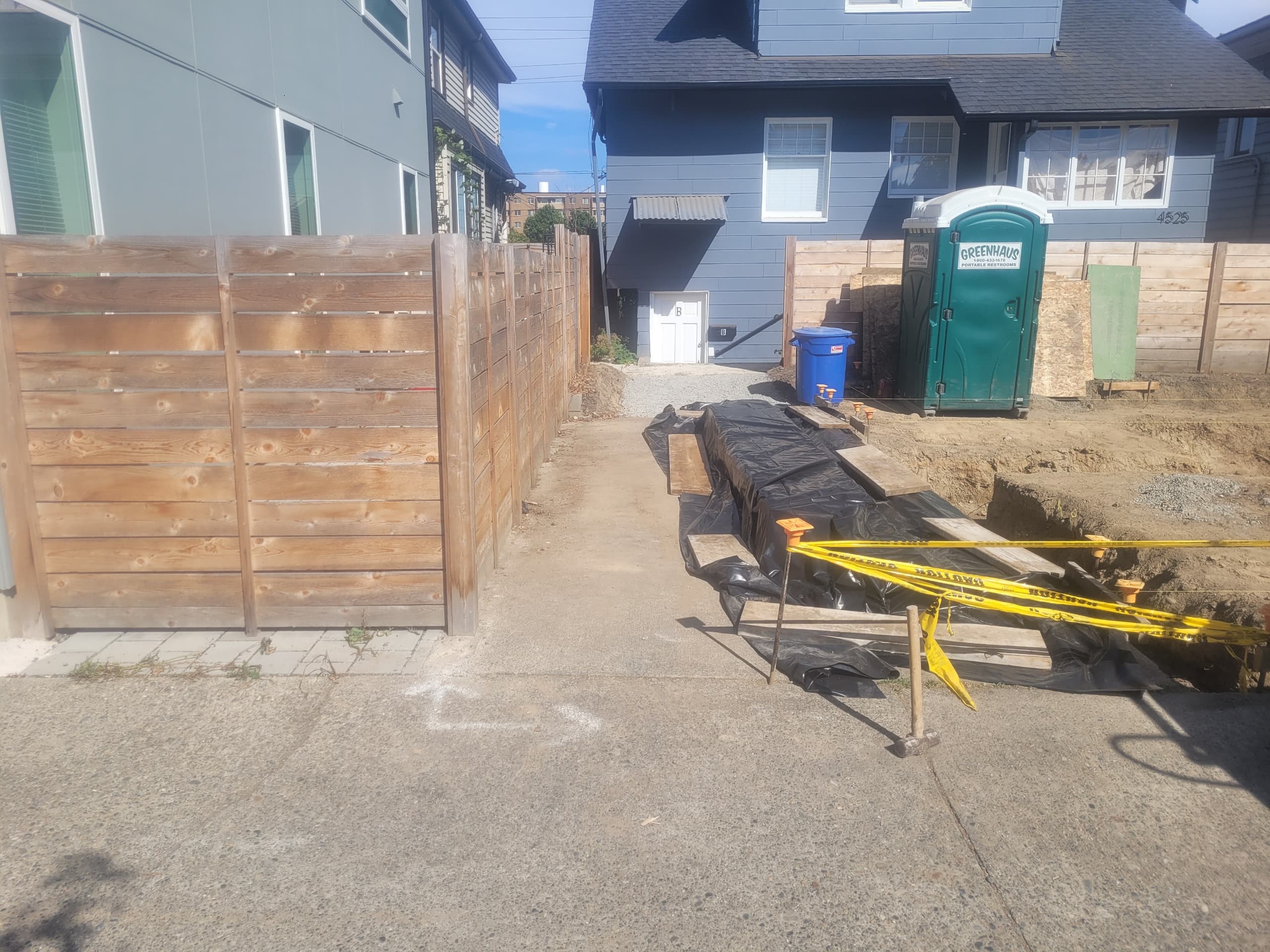
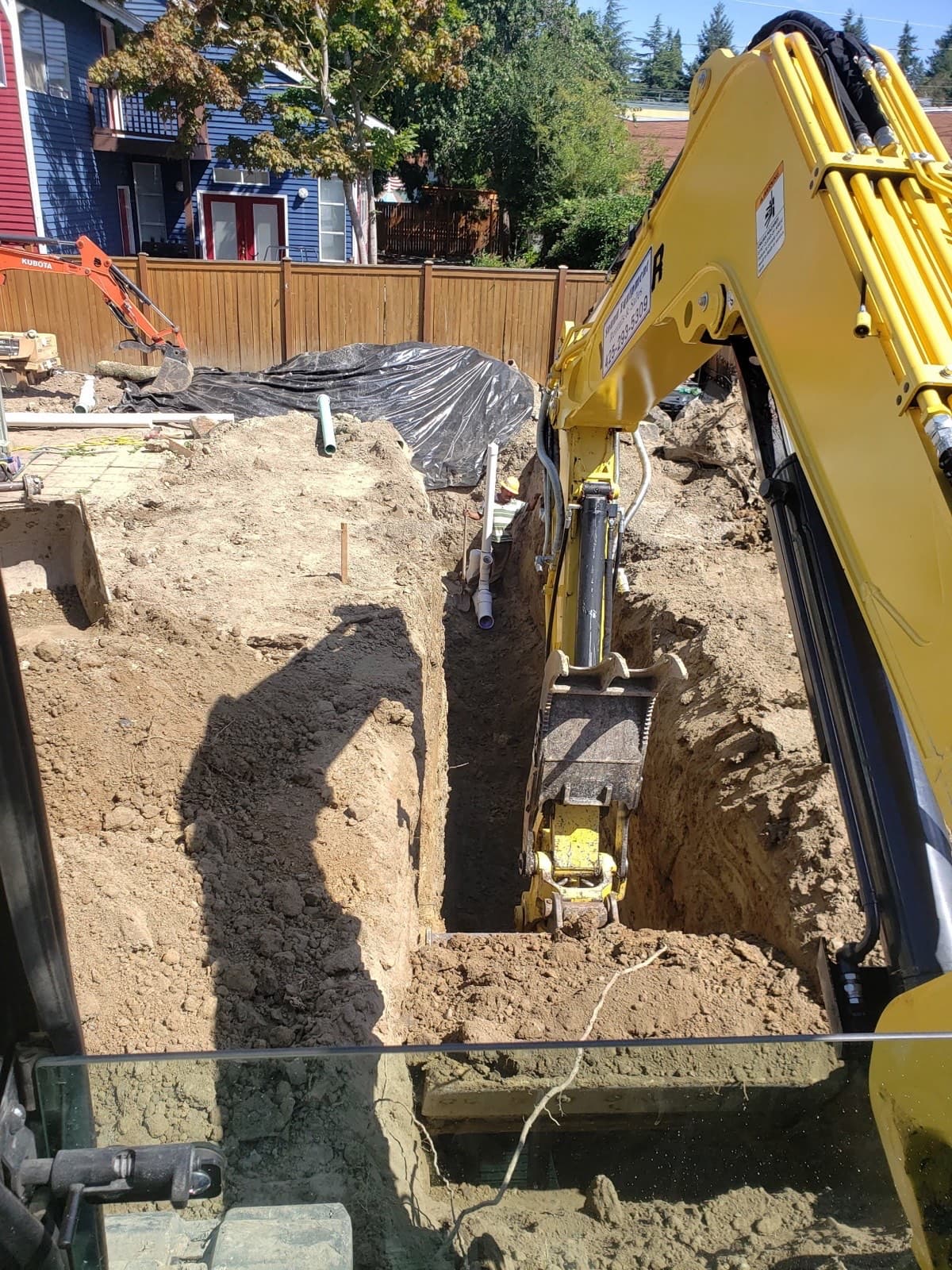
Seattle's tree protection rules and any critical-area designations sit on top of all of this, and a single protected tree in the wrong part of a backyard can relocate or shrink a unit. Slope and drainage do the same thing to the site work budget, if not to the envelope. We cover the site side of it in building on a difficult lot.
Height: what 32 feet gets you
Thirty-two feet comfortably accommodates two storeys with generous ceilings, and SDCI allows additional height in some cases for pitched roofs — up to 42 feet under certain conditions in Neighborhood Residential zones. The practical design question is usually not whether you can reach the limit but whether you want to: a taller unit changes what your neighbors see, what the stair consumes on the ground floor, and what the roof costs.
Because ADU height standards are now no more restrictive than those for the primary home, the older pattern of a deliberately squat backyard unit is no longer required. How that translates into a plan is the subject of choosing an ADU floor plan, and you can see real examples on our floor plans page.
What Seattle no longer requires
Three requirements that used to shape backyard builds are gone, and homeowners are often still planning around them:
- No off-street parking requirement for an ADU.
- No street improvement requirement.
- No owner-occupancy requirement, following state reform.
ADUs are also exempt from Mandatory Housing Affordability contributions. Parking in particular still drives a lot of outdated advice — see ADU parking rules in Seattle for the detail, and owner occupancy in Washington for what the state changed.
A note on where these rules apply
Everything above is Seattle city limits. Washington's statewide reform sets a floor that other jurisdictions have to meet, but Bellevue, Redmond, Kirkland, Bothell, Everett, Monroe and unincorporated county each implement it differently — different caps, different setbacks, different design standards. If your lot is outside Seattle, read Washington's ADU laws and the county-by-county breakdown instead of this page.
Find your actual envelope
Codes change, and the version that governs your build is the one in effect when you apply — confirm current standards with SDCI or get an opinion letter before you commit to a design.
The faster route is to send us the address through the contact form. We'll tell you what your zone allows, whether the alley or a tree is going to be the deciding factor, and what the unit that actually fits would cost to build — see what a DADU costs in Seattle for the ranges and the DADU permit process for what approval involves. Once you know the size, what it does to your property taxes is the next number worth understanding.